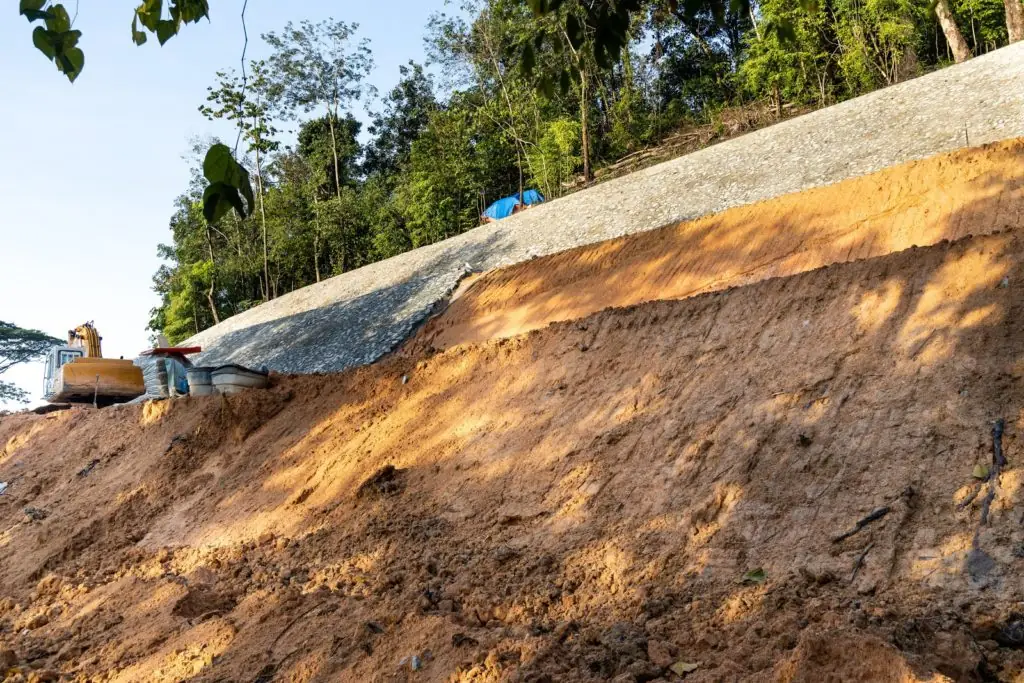
How to Avoid Soil Erosion in High Altitudes: Expert Guide
High-altitude environments present some of the most dynamic, volatile, and fragile landscapes on Earth. Elevated terrain systems, ranging from alpine ranges to high-plateau ecosystems, experience intense climatic extremes. Specifically, these regions feature rapid diurnal temperature fluctuations, severe freeze-thaw cycles, and high-velocity wind patterns. These environmental forces accelerate the physical weathering of parent rock material. As a result, they produce loose regolith and fragile soil matrices that cling precariously to steep topographical gradients. When vegetative covers are sparse and snowmelt dynamics introduce sudden surges of surface runoff, gravity and hydraulics combine to strip topsoil at rates that far exceed natural pedogenesis.
The systemic vulnerability of these ecosystems stems from the unique intersection of altitude, climate, and human interference. Alpine soils are characteristically thin, nutrient-poor, and slow to form due to short growing seasons. Consequently, when infrastructure development or overgrazing disrupts the delicate root networks holding these soils in place, the resulting degradation is profound. Land managers must look beyond superficial stabilization techniques. Instead, they must embrace a rigorous ecological and geotechnical framework designed to preserve slope stability and mitigate rapid land degradation.
Mitigating slope failure and topsoil loss in mountainous terrain requires a nuanced understanding of hydrological vectors, soil shear strength, and geotechnical mechanics. Surface water must be managed before it concentrates into erosive gullies. Furthermore, vegetative selection must prioritize deep-rooting native alpine species capable of surviving extreme cold and wind desiccation. The following analysis examines the physical and economic mechanics of high-altitude landscape stabilization. Specifically, it dissects the failure modes, engineering principles, and operational strategies necessary to preserve elevated terrain integrity.
Understanding “how to avoid soil erosion in high altitudes”
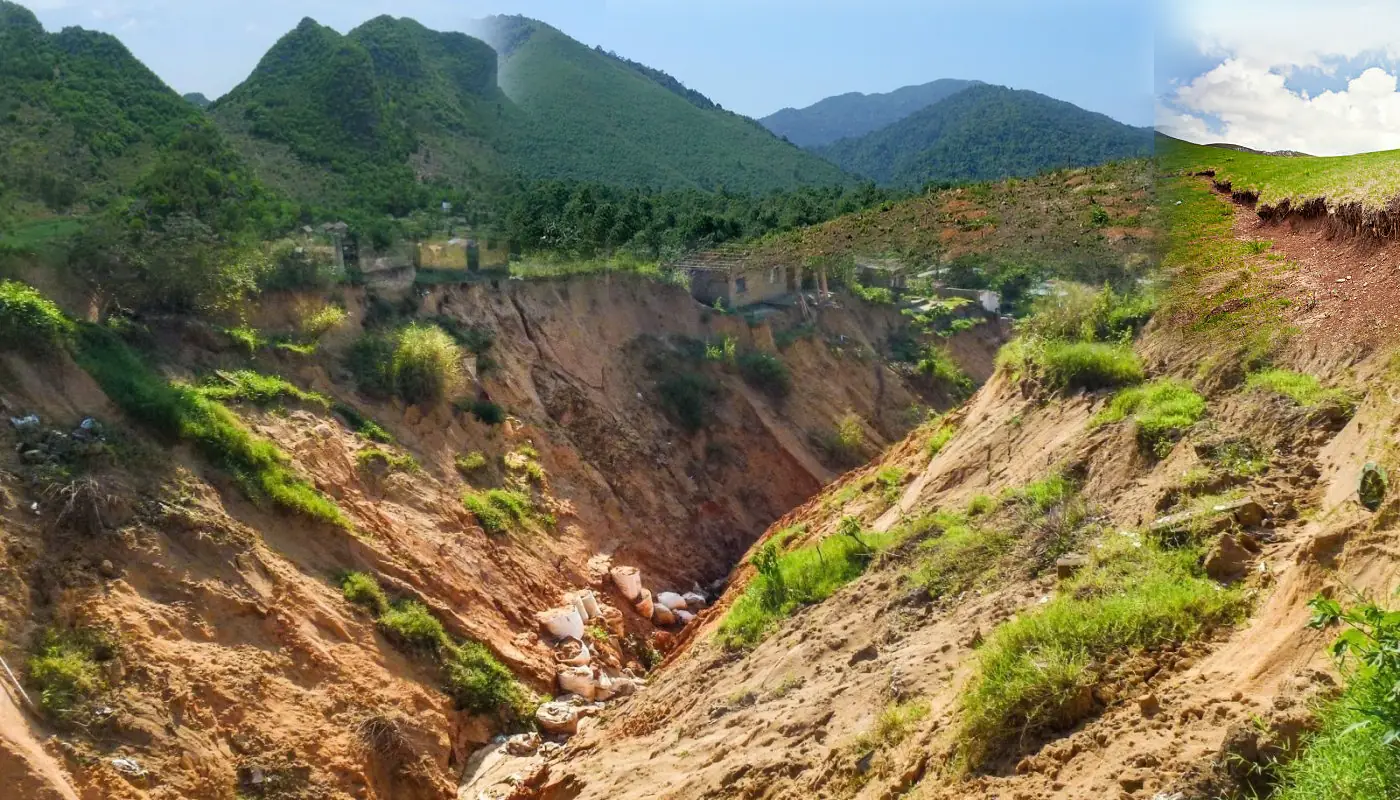
The foundational principles of how to avoid soil erosion in high altitudes extend far beyond planting generic grass seed or installing temporary silt fences. At its core, environmental stabilization in alpine environments requires understanding that true long-term stability derives from reinforcing the geotechnical shear strength of shallow soils. At the same time, it requires managing high-energy snowmelt runoff. A common misunderstanding assumes that standard low-altitude erosion control blankets will suffice. In practice, however, the intense UV radiation and fierce winds found at high elevations quickly tear apart standard commercial products.
Oversimplification poses the greatest risk when attempting to design high-altitude stabilization programs. Project managers often focus exclusively on surface re-vegetation. Consequently, they ignore subsurface hydrology, permafrost thawing dynamics, and slope angle thresholds. For instance, attempting to grade a steep alpine slope without incorporating terracing or deep soil anchors invites catastrophic mudslides when saturated spring snowmelt lubricates the underlying bedrock interface. Furthermore, treating erosion control as a temporary post-construction afterthought leads to repeated structural failures and escalating remediation costs.
True mastery of this subject demands examining the interplay between micro-climate harshness, root-zone mechanical reinforcement, and surface water diversion. Soil retention in high altitudes does not succeed through passive neglect or single-method applications. Instead, it succeeds through precise geotechnical engineering, native biodiversity integration, and strategic drainage design. Recognizing these complex physical dynamics transforms high-altitude land management from an arbitrary landscaping task into a disciplined scientific methodology.
Deep Contextual Background and Systemic Evolution
The history of high-altitude land management spans from ancient Andean agricultural terracing and European alpine pasture stewardship to modern geotechnical slope stabilization engineering. Historically, mountain cultures adapted to steep terrain constraints by constructing dry-stone retaining walls and diverting glacial meltwater through intricate channel networks. These vernacular methods relied on manual labor. Furthermore, they worked in harmony with local gravitational and hydrological forces to maintain fertile bench terraces.
In the mid-to-late twentieth century, expanding road networks, mining operations, and ski resort developments introduced heavy machinery and widespread slope-cutting to high-altitude regions. These heavy civil interventions frequently cut into the toes of unstable alpine slopes. As a result, they triggered massive mass-wasting events and severe gully erosion. The rapid commercialization of synthetic geotextiles and hydroseeding technologies followed. However, applying low-elevation civil engineering standards to high-altitude environments often resulted in spectacular failures because engineers initially underestimated the destructive power of freeze-thaw needle-ice growth.
Despite technological advancements in geosynthetics, environmental degradation in high altitudes remains a critical challenge for infrastructure operators and conservationists. The transition from isolated mountain tracks to heavy multi-use alpine infrastructure introduced complex multi-trade stabilization requirements. Understanding this historical trajectory highlights why contemporary erosion prevention requires rigorous multi-disciplinary collaboration between geotechnical engineers, landscape ecologists, and specialized restoration contractors.
Conceptual Frameworks and Mental Models
1. The Geotechnical Shear-Stress Balance
This mental model evaluates soil stability by comparing the gravitational forces pulling a soil mass downslope against the internal shear strength of the soil matrix. It posits that high-altitude stabilization requires either reducing driving forces through slope grading or increasing resisting forces through root reinforcement.
2. The Freeze-Thaw Disruption Cycle
Water expands significantly when freezing, generating immense volumetric pressure within soil pores and rock fractures. This framework views winter and spring temperature fluctuations not as minor weather events, but as primary mechanical disruption cycles that loosen topsoil and trigger accelerated mass wasting.
3. The Alpine Hydrological Vector
Water moves rapidly across high-altitude terrain due to steep gradients and impermeable bedrock. This model traces water from snowpack accumulation down to concentrated surface runoff, dictating that erosion mitigation must start at the highest catchment points.
4. The Ecological Succession Hierarchy
High-altitude plant establishment follows a strict succession model from hardy pioneer species to complex alpine turf communities. This framework dictates that physical stabilization structures must buy time for native root networks to establish permanent biological anchoring before temporary synthetics degrade.
Key Categories or Variations of Financial Optimization and Stabilization
Stabilizing elevated terrain involves distinct strategic categories. Each category presents unique engineering trade-offs, installation complexities, and long-term environmental risk profiles.
-
Geotextile Coir Matting and Netting: Deploying heavy biodegradable organic mats made from coconut fiber to shield vulnerable seedbeds from wind and water scour. This biodegrades naturally over several years, but requires secure anchoring in rocky substrates.
-
Live Fascines and Brush Layering: Constructing bundles of live, dormant branch cuttings laid horizontally in shallow trenches across slopes. This provides deep biological root reinforcement, but species selection is strictly limited to native shrubs.
-
Dry-Stack Stone Retaining Walls: Utilizing local quarried or field stone without mortar to terrace steep slopes and trap migrating regolith. This allows natural sub-surface drainage, but requires skilled manual labor and precise foundational leveling.
-
Geocellular Confinement Systems (Geocells): Installing expandable 3D honeycomb matrices filled with aggregate or topsoil on steep inclines to lock surface soils in place. This offers exceptional load-bearing capacity, but demands rigorous anchor pin placement.
-
Hydroseeding with Native Alpine Mycorrhizae: Spraying a slurry of organic mulch, native seed mixes, and beneficial soil fungi onto raw cuts. This rapidly covers large areas, but fails if torrential rain strikes before the tackifier cures.
-
Rockfall Netting and Draped Wire Meshes: Suspending high-tensile steel wire mesh over steep rock-soil interfaces to guide loose debris safely down to collection ditches. This protects infrastructure below, but acts purely as containment rather than active soil retention.
-
Subsurface Interceptor Trenching: Excavating trench drains lined with non-woven geotextiles and clear gravel to intercept perched groundwater tables. This relieves hydrostatic pressure behind slopes, but risks erosion if discharge points are unarmored.
-
Soil Bioengineering Slope Stabilization: Combining structural wood elements and living vegetation into integrated retaining structures. This restores natural ecosystem aesthetics, but requires careful establishment watering during dry summer windows.
Comparative Evaluation of High-Altitude Stabilization Strategies
| Stabilization Strategy | Primary Protection Mechanism | Implementation Complexity | Upfront Capital Impact | Long-Term Durability |
| Coir Biodegradable Netting | Surface splash and wind shielding | Low to Moderate | Moderate | Temporary (2–5 years) |
| Live Fascine Bundling | Deep root-zone shear reinforcement | Moderate | Low to Moderate | Permanent (Biological) |
| Dry-Stack Stone Terracing | Gravitational slope step-reduction | High | High | Permanent (Structural) |
| Geocellular Confinement Grids | Surface shear stress distribution | Moderate to High | High | Long-Term (Decades) |
| Native Alpine Hydroseeding | Broad-area biological cover | Low | Low | Permanent (Biological) |
| Draped Wire Rockfall Mesh | Gravitational debris containment | High | High | Long-Term (Decades) |
| Subsurface Interceptor Drains | Hydrostatic pressure reduction | Moderate to High | Moderate | Long-Term (Decades) |
Realistic Decision Logic
Selecting appropriate high-altitude stabilization strategies requires reconciling site-specific topography with severe climate constraints. For a moderate alpine trail corridor with stable soil sub-bases, installing biodegradable coir matting paired with native hydroseeding is environmentally and financially sufficient. Conversely, for a steep highway cut-slope subject to severe freeze-thaw slumping, cutting corners on engineering controls is disastrous. Here, prioritizing geocellular confinement grids, deep sub-surface interceptor trenches, and rigorous rock-anchored wire meshing represents the only sound approach.
Detailed Real-World Scenarios
Scenario A: The Alpine Ski Resort Expansion Project
A mountain resort clears a wide swathe of sub-alpine forest for a new ski trail, leaving raw, steep soil exposed to summer thunderstorms and intense snowmelt runoff.
-
Constraints: Short construction season, steep gradient, highly erodible glacial till soils.
-
Decision Points: Rely on standard agricultural grass seeding to save money, or invest in heavy coir matting, live fascines, and dedicated drainage swales.
-
Failure Modes: A violent summer thunderstorm drops two inches of rain in an hour, washing away unanchored grass seed and carving deep erosion gullies down the ski trail.
-
Second-Order Effects: Severe siltation of downstream alpine trout streams occurs. Consequently, regulatory environmental fines and expensive emergency earthmoving repairs follow.
Scenario B: The High-Altitude Mining Access Road
A mining company cuts an unpaved access road across a fragile high-plateau slope, failing to install adequate cross-culverts or ditch armor.
-
Constraints: Remote location, heavy machinery traffic, sub-zero winter temperatures.
-
Decision Points: Leave roadside drainage ditches unlined to cut initial grading costs, or install hand-placed stone riprap and lined catch-basins.
-
Failure Modes: Spring freeze-thaw cycles melt the road-bed sub-base while unmanaged meltwater scours unlined ditches, undercutting the road shoulder.
-
Second-Order Effects: Complete suspension of mining transport operations occurs. Furthermore, it triggers costly helicopter-assisted emergency geotechnical stabilization.
Scenario C: The Mountain Community Watershed Protection Zone
A municipal watershed district attempts to stabilize a steep, overgrazed alpine hillside above a public drinking water reservoir.
-
Constraints: Strict environmental protection regulations, rocky terrain lacking deep soil, limited mechanical access.
-
Decision Points: Utilize heavy earth-moving excavators to terrace the hillside, or implement manual soil bioengineering and rotational grazing exclusion fences.
-
Failure Modes: Heavy excavator terracing triggers localized slope failure on a sensitive bedrock fault line, introducing thousands of tons of fine silt directly into the reservoir.
-
Second-Order Effects: Water treatment plant overloading occurs. Consequently, downstream residents face boil-water advisories and legal liabilities increase.
Scenario D: The High-Elevation Telecommunications Tower Site
A telecom operator constructs an access pad on an exposed alpine ridge, stripping all low-growing cushion plants and exposing fine-grained alpine soils to gale-force winds.
-
Constraints: Extreme wind exposure, freezing fog, zero immediate water access for irrigation.
-
Decision Points: Leave the pad perimeter bare aggregate, or anchor geocellular confinement systems filled with local rock and planted with native tundra plugs.
-
Failure Modes: High-velocity winter winds scour exposed fine soil particles completely away, undermining concrete equipment pad foundations through wind-driven deflation.
-
Second-Order Effects: Structural foundation settling occurs. As a result, operators face satellite dish alignment failure and communication network blackouts.
Planning, Cost, and Resource Dynamics
Effective financial and physical management of high-altitude landscapes requires balancing upfront capital investments against the staggering downstream liabilities of environmental remediation. Deferring or underfunding erosion control during alpine construction phases almost invariably triggers exponential financial penalties later.
Direct costs encompass geotechnical engineering surveys, native seed procurement, specialized geosynthetic materials, and installation labor. Indirect costs are frequently far higher, including downstream silt remediation, regulatory fines, and infrastructure undermining. Opportunity costs also play a critical role. For instance, allocating capital to robust alpine stabilization systems diverts funds from short-term developmental features, but protects core project longevity and prevents catastrophic operational shutdowns.
Financial Planning and Stabilization Cost Ranges
| Expense Category | Typical Scope | Cost Range (USD) | Variance Drivers |
| Biodegradable Coir Blankets | Slope surface protection | $1.50 – $4.00 per sq ft | Mat weight, steepness, anchoring density |
| Geocellular Confinement Grids | Steep slope load distribution | $3.50 – $8.00 per sq ft | Cell depth, infill material availability |
| Live Fascine Installation | Biological root-zone reinforcement | $4.00 – $9.00 per linear ft | Plant material sourcing, manual labor access |
| Dry-Stack Stone Retaining Walls | Terracing and grade reduction | $45.00 – $110.00 per sq ft | Stone availability, wall height, skill level |
| Native Alpine Hydroseeding | Large-scale revegetation | $0.25 – $0.90 per sq ft | Seed mix rarity, site accessibility |
| Subsurface Interceptor Drains | Groundwater and melt management | $25.00 – $65.00 per linear ft | Trench depth, rock excavation difficulty |
| Emergency Slope Remediation | Fixing failed high-altitude slides | $50,000 – $250,000+ | Remote access, helicopter logistics, scale |
Tools, Strategies, and Support Systems
Executing a successful high-altitude stabilization program requires leveraging specialized physical tools, digital diagnostic platforms, and professional ecological networks.
-
Geotechnical Clinometers and Inclinometers: Precision instruments used to measure slope angles and monitor subterranean ground movement over seasonal cycles.
-
Drone-Based LiDAR and Photogrammetry: Aerial mapping systems used to track topographical shifts, measure erosion volume losses, and model surface water runoff pathways.
-
Pneumatic Soil Compressors and Earth Drills: Specialized lightweight machinery designed to drill anchor pins into hard alpine rock and compacted glacial till.
-
Tensiometers and Soil Moisture Probes: Diagnostic tools used to monitor matric suction and moisture retention in restored alpine seedbeds during dry summer windows.
-
Certified Ecological Restoration Practitioners: Qualified professionals specializing in alpine native flora propagation, seed provenance matching, and soil bioengineering design.
-
High-Altitude Hydroseeding Tanks: Specialized slurry trucks or skid-mount units equipped with high-pressure pumps capable of spraying tackifier mixtures across steep mountain grades.
-
Gabion Basket Assembly Tools: Heavy-duty ring fasteners and tensioners used to construct wire-mesh rock cages for toe-of-slope stabilization.
-
BIM and Civil 3D Hydrological Modeling Software: Digital design platforms used to simulate peak storm-water runoff volumes and design adequate cross-drainage networks.
Risk Landscape and Failure Modes
High-altitude erosion management operates within a severe risk landscape where minor environmental oversights compound into catastrophic landscape failure.
The primary physical risk is concentrated surface runoff erosion. When an unmanaged sheet of snowmelt flows down an alpine slope, it naturally gathers in minor depressions. As flow velocity increases, these streams carve deep rills and gullies, stripping away the entire soil mantle down to bare bedrock.
A secondary systemic risk involves frost-heave disruption of newly installed mechanical controls. During winter, cycles of freezing water lift shallow anchor pins and geotextile mats completely out of the soil matrix. When spring arrives, unanchored materials wash away with the first major snowmelt surge.
Finally, biological and climatic risks present ongoing challenges. High-altitude environments feature exceptionally short growing seasons and unpredictable summer frosts. Relying on commercial seed mixes that fail to germinate in cold alpine soils leaves slopes bare and unprotected, guaranteeing long-term failure.
Governance, Maintenance, and Long-Term Adaptation
Long-term stability over high-altitude environments requires formal governance protocols, scheduled maintenance cycles, and rigorous post-construction review procedures.
Operational Review Cycles
-
Post-Snowmelt Spring Inspection: A mandatory comprehensive inspection conducted immediately after major seasonal snowmelt to identify newly formed rills and blocked culverts.
-
Mid-Summer Vegetation Audit: Assessing germination success and root-zone establishment of native alpine plantings during peak biological growth windows.
-
Pre-Winter Drainage Clearing: Cleaning and clearing all interceptor trenches, ditch lines, and culverts of autumn leaf litter prior to freezing temperatures.
-
Quinquennial Geotechnical Slope Audit: Professional engineering review of major retaining structures, gabion baskets, and anchored wire meshes every five years to verify structural integrity.
Layered Maintenance Checklist
-
Clear accumulated debris from all high-altitude culvert inlets and energy dissipator aprons.
-
Repair torn or sagging coir geotextile blankets and drive replacement anchor pins into stable substrate.
-
Monitor native vegetation cover density, applying supplemental organic mulch or overseeding sparse patches if necessary.
-
Check dry-stack stone retaining walls for shifting stones, bulging faces, or loss of backfill material.
-
Ensure that surface water diversion berms have not been breached by animal activity or foot traffic.
Measurement, Tracking, and Evaluation
A successful high-altitude land management program relies on distinguishing between leading and lagging indicators to evaluate environmental stability.
Lagging indicators measure past failure costs: downstream reservoir siltation volumes, emergency road repair invoices, regulatory environmental fines, and total slope failure square-footage. Relying solely on lagging indicators means the landscape has already degraded, resulting in maximum ecological and financial loss.
Leading indicators predict ecosystem stability and prevent failures before severe erosion occurs: native plant root depth measurements, soil organic matter percentages, surface infiltration rates, and drone-verified topographical stability maps.
Documentation and Tracking Examples
-
Alpine Restoration Dossier: A permanent digital archive containing native seed provenance certificates, soil test lab analyses, pre-construction topographic surveys, and contractor logs.
-
Runoff and Drainage Log: A structured register recording bi-annual culvert clearing dates, ditch inspection notes, and post-storm sediment accumulation measurements.
-
Slope Monitoring Register: A centralized tracking system documenting inclinometer survey results, crack-meter measurements, and structural retaining wall inspection filings.
Common Misconceptions and Oversimplifications
-
Myth: Standard commercial grass seed mixes used for lowland lawns will successfully stabilize high-altitude alpine slopes.
-
Correction: Lowland grasses lack cold tolerance, deep root systems, and adaptation to intense UV radiation, causing them to die out rapidly.
-
-
Myth: Once erosion control blankets and hydroseeding are applied, no further maintenance or monitoring is required.
-
Correction: Severe freeze-thaw cycles, high winds, and heavy snowmelt subject alpine installations to continuous physical stress, requiring active maintenance.
-
-
Myth: Heavy earth-moving machinery can shape mountain slopes to any desired angle without triggering structural instability.
-
Correction: Over-steepening alpine slopes beyond their natural angle of repose invites massive mass-wasting events, especially when saturated.
-
-
Myth: Leaving drainage ditches unlined saves construction money without increasing long-term environmental risk.
-
Correction: Unlined ditches on steep alpine gradients quickly scour into deep, destructive gullies that undermine adjacent infrastructure foundations.
-
-
Myth: Native vegetation will naturally colonize raw construction cuts in high altitudes without any human assistance or soil preparation.
-
Correction: The absence of topsoil, organic matter, and microbial mycorrhizae on raw cuts means natural succession can take decades, inviting erosion.
-
-
Myth: Biodegradable coir mats provide permanent stabilization against severe high-altitude weather events.
-
Correction: Coir mats are temporary biological armor designed to protect soil only until permanent native root networks establish deep structural reinforcement.
-
-
Myth: Rockfall netting and wire meshes actively stop soil erosion across mountain slopes.
-
Correction: Wire meshes act solely as containment barriers for falling debris; they do not prevent sheet erosion or sub-surface slope sliding.
-
Conclusion
The environmental and physical stability of high-altitude landscapes depends entirely on recognizing that elevated terrain requires specialized geotechnical and ecological stewardship rather than standard lowland landscaping practices. Effectively managing and preventing degradation in mountainous regions requires moving past the illusion of quick fixes. Instead, land managers must acknowledge that native biodiversity, rigorous drainage management, and structural reinforcement dictate long-term landscape health. By prioritizing soil bioengineering, enforcing precise sub-surface water controls, investing in durable geosynthetics, and maintaining disciplined operational governance, land managers can safeguard fragile alpine ecosystems against the compounding devastation of erosion. Ultimate environmental resilience is achieved not through passive neglect, but through patient, systematic engineering rigor where ecological restoration meets high-altitude geomorphology.