How to Reduce Plant Maintenance Labor: Expert Landscape Guide
Managing living landscapes across residential estates, municipal parks, and commercial campuses requires a continuous commitment of human energy. Pruning, weeding, fertilizing, pest remediation, and watering consume substantial operational hours, creating recurring economic pressure for property owners and facilities managers. As labor markets tighten and wage structures shift upward, horticultural upkeep costs escalate rapidly, forcing an evaluation of traditional groundskeeping models. Relying on manual intervention to correct poorly planned plantings creates an unsustainable operational cycle.
Addressing this fiscal and operational burden requires shifting from reactive, high-frequency manual upkeep to proactive, systemic landscape design. Mastering how to reduce plant maintenance labor involves redesigning plant selection criteria, streamlining bed geometries, deploying advanced suppression materials, and automating hydration networks. Treating landscape management as an engineering challenge rather than a purely aesthetic exercise prevents chronic labor bottlenecks, minimizes equipment wear, and stabilizes long-term upkeep expenses.
Achieving sustainable labor reductions relies on understanding how plant succession, root competition, soil biology, and spatial layout directly dictate human intervention requirements. The following analysis examines the biological root causes, strategic design frameworks, and operational safeguards necessary to minimize ongoing horticultural upkeep across diverse properties.
Understanding “how to reduce plant maintenance labor”

At its core, understanding how to reduce plant maintenance labor requires reconciling human design intentions with natural ecological succession. A pervasive misconception assumes that establishing a dense, diverse garden automatically suppresses weed growth and eliminates upkeep; without proper canopy closure and species compatibility, unmanaged plants often compete aggressively or leave structural gaps that invite invasive weeds. In practice, reducing maintenance hours demands deliberate plant selection where mature canopy sizes match available space, eliminating the need for frequent corrective pruning.
Another frequent pitfall relies on using short-term cosmetic fixes, such as thin applications of organic mulch over exposed soil, which quickly decompose and require strenuous annual replenishment while failing to block perennial weed root systems. True mastery of labor reduction demands evaluating the entire ecosystem lifecycle, ensuring that hardscape borders, sub-surface weed barrier fabrics, drip irrigation, and slow-growing groundcovers function as a unified, self-sustaining network.
By analyzing how plant spacing, growth rates, root competition, and soil coverage influence human intervention frequency, landscape designers and property managers can permanently lower operational labor demands.
Deep Contextual Background and Systemic Evolution
Historically, manicured landscapes served as status symbols for nobility and wealthy institutions, relying on vast armies of manual laborers to weed, shear, and water grounds by hand. The industrial revolution introduced mechanical lawnmowers, motorized hedge trimmers, and synthetic chemical fertilizers, which transformed groundskeeping into a high-intensity chemical and mechanical routine rather than a passive ecological practice.
The subsequent decades witnessed an over-reliance on synthetic herbicides and high-frequency mowing schedules to maintain uniform aesthetics, often ignoring long-term soil health and plant suitability. Installers frequently forced high-maintenance, non-native plant species into unsuited regional climates, requiring constant irrigation, pest control, and manual pruning to survive.
In the contemporary landscape, rising labor costs, water scarcity, and environmental sustainability mandates elevate the necessity of low-maintenance ecological design. Native plant landscaping, perennial polycultures, and zero-scape principles now guide professional groundskeeping. This systemic evolution underscores why eliminating labor-intensive design flaws is essential for modern landscape viability.
Conceptual Frameworks and Mental Models
1. The Ecological Succession and Canopy Closure Model
This mental model leverages natural plant competition. By selecting species that rapidly form a dense, closed living canopy at maturity, light penetration to the soil surface is blocked, naturally starving weed seeds of solar energy and reducing weeding labor.
2. The Functional Edge and Geometry Framework
This model dictates that straight lines, tight corners, and intricate garden bed curves exponentially increase manual trimming and edging labor. Simplifying bed layouts into smooth, wide geometric radii allows mechanical equipment to operate continuously without hand-shearing.
3. The Input-Yield Equilibrium Principle
This framework posits that every plant species introduced into a landscape carries a fixed lifetime maintenance requirement. Minimizing labor requires selecting specimens whose natural growth habits align with the available maintenance budget, avoiding high-strung ornamentals that demand meticulous staking and deadheading.
Key Categories and Variations of Labor-Reduction Strategies
Systemic reductions in horticultural upkeep generally stem from specific design, material, and operational interventions implemented during initial installation or retrofitting.
-
Strategic Plant Selection and Native Adaptation: Utilizing regional native species adapted to local rainfall and soil profiles, eliminating the need for intensive soil amendment and constant watering.
-
Deep-Layer Organic and Inorganic Mulching: Deploying 3 to 4 inches of shredded bark or stone aggregate over heavy-duty non-woven geotextile fabric to suppress weed germination.
-
Mechanical Bed Edge Separation: Installing rigid metal, stone, or deep-trenched spade edges to prevent turfgrass runners from invading ornamental planting beds.
-
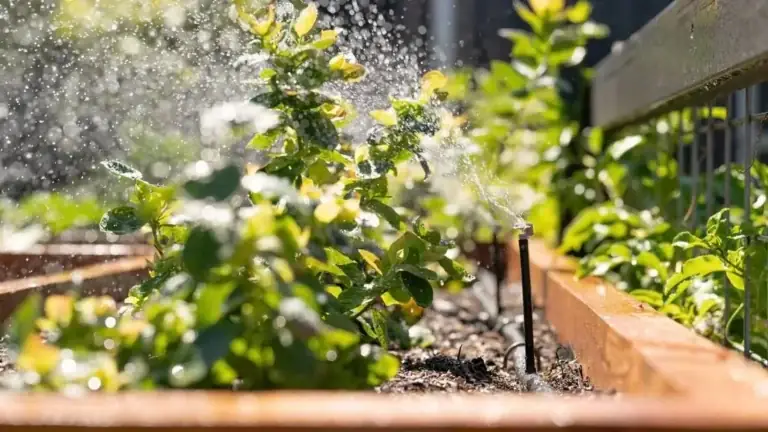
Automated Drip Irrigation Integration: Replacing manual hose watering and above-ground sprinklers with sub-surface or buried drip emitters that deliver water directly to roots while keeping weed-prone surface soil dry.
-
Mature-Size Spacing and Layout: Planting specimens at exact distances matching their ultimate spread, eliminating the crowding that forces heavy corrective pruning.
-
Groundcover Monocultures over Bare Soil: Substituting high-maintenance annual flower beds with dense, spreading evergreen groundcovers that blanket the soil permanently.
-
Hardscape Expansion and Turf Reduction: Replacing high-maintenance turfgrass zones with patios, gravel pathways, or permeable pavers in low-traffic areas.
Comparative Evaluation of Labor-Reduction Strategies
| Strategy Category | Upfront Capital Impact | Annual Labor Savings | Operational Complexity | Maintenance Trade-Offs |
| Native Perennial & Shrub Transition | Moderate | High (50% to 70% reduction) | Moderate | Initial establishment weeding phase |
| Heavy Mulch & Geotextile Installation | Low to Moderate | Moderate (30% to 40% reduction) | Low | Periodic mulch replenishment |
| Automated Drip Irrigation Retrofit | Moderate to High | High (watering labor eliminated) | Moderate | Periodic emitter flushing and line checks |
| Bed Edge Trenching & Physical Barriers | Low | Moderate (edging labor cut) | Low | Occasional barrier alignment checks |
| Turf Reduction via Groundcover Mats | Moderate | High | Low | Initial weed control until canopy closes |
| Hardscape / Permeable Paver Conversion | High | Very High (near-zero maintenance) | Low | Occasional weed removal in joints |
Realistic Decision Logic
Implementing labor-reduction strategies requires balancing capital constraints against recurring operational payroll costs. For a commercial corporate campus spending thousands monthly on manual weeding and shearing, investing capital in a comprehensive landscape redesign—featuring turf reduction, heavy-duty weed barriers, and native groundcovers—yields rapid financial payback. Conversely, for a residential property with a limited upfront budget, prioritizing high-impact, low-cost interventions—such as installing deep mulch rings around trees and edging bed borders—provides immediate labor relief with minimal initial outlay.
Detailed Real-World Scenarios
Scenario A: The Commercial Corporate Office Park
A sprawling corporate campus features high-maintenance turf islands, delicate annual flower beds, and tightly sheared boxwood hedges scattered across expansive lawns.
-
Constraints: High weekly landscaping payroll, strict aesthetic standards, and frequent tenant complaints regarding overgrown shrubs.
-
Decision Points: Continuing high-frequency weekly manual maintenance crews versus redesigning bed islands with low-growing native ornamental grasses and heavy stone mulch.
-
Failure Modes: Trimming crews spend hours manually deadheading annuals and shaping boxwoods, leading to ballooning operational budgets and inconsistent pruning quality.
-
Second-Order Effects: Dramatically reduced weekly maintenance hours, lower water consumption, and predictable groundskeeping expenditures.
Scenario B: The Sloped Municipal Highway Interchange
A municipal department of transportation manages steep roadside embankments planted with high-maintenance turf that requires dangerous and labor-intensive slope mowing.
-
Constraints: Steep incline safety hazards, high-speed traffic proximity, and strict public infrastructure budgets.
-
Decision Points: Continuing hazardous slope tractor mowing versus converting embankments to deep-rooting native shrubs and creeping juniper groundcover.
-
Failure Modes: Tractor operators face rollover risks on steep slopes, while manual weed-whacking crews expose themselves to highway traffic hazards.
-
Second-Order Effects: Eliminated mowing accidents, stabilized soil preventing erosion landslides, and near-zero ongoing maintenance requirements after plant establishment.
Scenario C: The Suburban Residential Estate
A residential homeowner spends every weekend weeding sprawling flower beds, hand-watering containers, and pruning invasive vines climbing fences.
-
Constraints: Limited personal leisure time, physical strain from kneeling and bending, and high water bills.
-
Decision Points: Hiring expensive weekly maintenance contractors versus retrofitting garden beds with thick geotextile fabric, wood mulch, and low-water perennials.
-
Failure Modes: The homeowner suffers physical fatigue, abandons weeding chores, and watches flower beds become overtaken by aggressive weeds and invasive grasses.
-
Second-Order Effects: Restored weekend free time, lower municipal water bills, and a neat, self-sustaining landscape structure.
Planning, Cost, and Resource Dynamics
Reducing horticultural labor requires evaluating upfront capital expenditures against long-term operational payroll savings. Attempting to minimize labor by neglecting maintenance or installing cheap, substandard materials invariably results in weed takeovers, plant mortality, and expensive restorative cleanup costs.
Direct costs encompass native plant stock, bulk organic mulch, geotextile weed barriers, automated drip irrigation supplies, and professional landscape design fees. Indirect costs include ongoing equipment fuel, blade sharpening, fertilizer purchases, and green waste disposal fees. Opportunity costs also apply; allocating capital to labor-saving landscape retrofits frees up internal staff or budget resources for higher-value facility operations.
Comprehensive Labor-Reduction Investment Matrix
| Expense Category | Typical Scope | Cost Range (USD) | Primary Variance Drivers |
| Bulk Organic Mulch (Delivered) | 10 cubic yards of double-shredded hardwood | $300 – $700 | Wood type, color dye, delivery distance |
| Heavy-Duty Geotextile Weed Fabric | 3 oz to 5 oz commercial woven roll (300 ft) | $100 – $300 | Fabric weight, UV resistance, permeability |
| Native Shrub & Perennial Plant Stock | Per 100 one-gallon container specimens | $400 – $1,200 | Plant variety, pot size, wholesale vs retail |
| Automated Drip Irrigation Materials | Complete zone conversion kit for 1,000 sq ft | $250 – $600 | Tubing quality, pressure regulators, emitter count |
| Professional Landscape Redesign Consultation | Comprehensive site audit and master plan | $500 – $2,000 | Property scale, architectural complexity |
| Steel or Aluminum Landscape Edging | 100 linear feet of commercial grade edging | $200 – $500 | Metal thickness, powder coating, anchoring spikes |
Tools, Strategies, and Support Systems
Executing an efficient landscape transition or managing low-maintenance grounds requires leveraging specialized horticultural tools and digital planning systems.
-
Gas and Battery-Powered Sod Cutters: Heavy-duty machinery used to rapidly strip turfgrass when converting lawns into mulched planting beds.
-
Commercial Soil Augers: Power tool attachments used to drill rapid planting holes for shrubs and perennials, drastically reducing manual digging labor.
-
Broadcast and Drop Spreaders: Precision equipment utilized to apply pre-emergent herbicides or organic fertilizers evenly across large planting beds.
-
Smart Irrigation Controllers: Wi-Fi enabled watering units that automate irrigation schedules based on real-time weather and evapotranspiration data.
-
Landscape Design CAD Software: Digital mapping tools used to calculate precise bed geometries, plant spacing matrices, and material quantities.
-
Long-Handled Weed Extraction Tools: Ergonomic manual weeders that allow operators to pull deep-taproot weeds while standing upright, reducing physical strain.
Risk Landscape and Failure Modes
Implementing labor-reduction strategies without proper planning introduces distinct biological, financial, and aesthetic risks.
The primary biological risk is the establishment of invasive or aggressive plant species. Selecting groundcovers solely for rapid growth without evaluating their local invasiveness can result in plants choking out desirable vegetation, escaping property boundaries, and creating severe neighboring property liabilities.
The primary aesthetic and structural risk is premature material failure. Installing cheap, non-porous plastic sheeting instead of professional woven geotextile fabric beneath mulch prevents water and oxygen infiltration, suffocating soil microbes, causing root rot, and ultimately killing desirable plants while forcing weeds to root directly on top of the plastic layer.
Governance, Maintenance, and Long-Term Adaptation
Maintaining a low-maintenance landscape over its lifespan requires structured operational reviews, seasonal inspections, and proactive adjustments.
Operational Review Cycles
-
Bi-Annual Mulch Depth Audits: Inspecting planting beds every six months to verify that mulch depth remains at the optimal 3- to 4-inch weed-suppression threshold.
-
Seasonal Irrigation Line Inspections: Checking drip emitters, pressure regulators, and subterranean lines twice a year for clogs, leaks, or animal damage.
-
Annual Perennial and Shrub Density Reviews: Assessing canopy closure annually to identify any plants that have outgrown their space and require corrective pruning before they crowd neighboring specimens.
Layered Maintenance Checklist
-
Apply organic pre-emergent weed suppressants in early spring before weed seeds germinate beneath mulch layers.
-
Inspect physical metal or stone bed edges annually to ensure soil erosion has not exposed gaps where grass runners can infiltrate.
-
Clean and flush drip irrigation filters seasonally to prevent mineral sediment buildup and emitter blockages.
-
Prune deciduous shrubs strictly during their dormant winter season to minimize stress and prevent excessive sucker growth.
Measurement, Tracking, and Evaluation
Evaluating the success of a labor-reduction initiative relies on balancing lagging financial outcomes against leading operational efficiency indicators.
Lagging indicators measure past labor savings: reduced monthly landscape maintenance contractor invoices, lower total annual payroll hours spent on groundskeeping, and decreased green waste disposal volumes. Relying solely on lagging indicators means inefficient practices may persist for months before being identified.
Leading indicators predict labor efficiency and prevent maintenance spikes: high canopy closure percentages in newly planted beds, zero weed breakthrough rates along bed edges, and properly calibrated automated irrigation schedules.
Documentation and Tracking Examples
-
Maintenance Labor Timesheet Register: A digital log tracking weekly hours spent by staff or contractors on specific property zones.
-
Landscape Material Inventory Log: A structured record tracking installation dates, mulch replenishment cycles, and plant replacement histories.
-
Irrigation and Water Consumption Log: A monthly record tracking water usage to verify that automated systems operate efficiently without dry spots or pooling.
Common Misconceptions and Oversimplifications
-
Myth: “Low maintenance” means “no maintenance” once the initial planting is completed.
-
Correction: All living landscapes require baseline monitoring, seasonal pruning, periodic mulch replenishment, and occasional weed management to remain healthy.
-
-
Myth: Covering soil with thick black plastic sheeting is the best, most permanent way to eliminate weeds forever.
-
Correction: Non-porous plastic suffocates soil biology, blocks water infiltration, and eventually traps decomposing organic debris that creates a fertile seedbed for weeds on top.
-
-
Myth: Native plants require zero water and zero attention after being placed in the ground.
-
Correction: Native plants require consistent irrigation and weed suppression during their initial establishment phase (typically 1 to 2 growing seasons) to develop deep root systems.
-
-
Myth: Planting groundcovers extremely close together instantly eliminates all weeding labor from day one.
-
Correction: Overcrowding young groundcovers stresses the plants through intense root competition and increases susceptibility to disease during establishment.
-
-
Myth: Using chemical herbicides exclusively is cheaper and more effective than redesigning beds with physical barriers and mulch.
-
Correction: Relying solely on chemical weed control requires endless repeat applications, increases chemical runoff risks, and fails to address underlying soil and light vulnerabilities.
-
-
Myth: Intricate, highly curved garden bed designs require the same maintenance labor as wide, sweeping geometric curves.
-
Correction: Tight, complex curves prevent mechanical mowers and trimmers from operating efficiently, drastically increasing hand-labor hours.
-
Practical and Environmental Considerations
Designing landscapes to minimize operational labor carries broader ecological responsibilities. Selecting drought-tolerant native plants and installing efficient sub-surface drip irrigation conserves vital municipal water reserves, reducing aquifer depletion and energy consumption associated with water treatment. Furthermore, eliminating the need for excessive chemical fertilizers and synthetic herbicides protects local watersheds, rivers, and aquatic ecosystems from agricultural and urban runoff pollution.
Conclusion
Mastering how to reduce plant maintenance labor requires integrating thoughtful design principles, durable physical barriers, and proactive ecological management. True operational efficiency is never achieved through casual plant selections, haphazard mulch applications, or reliance on chemical quick fixes. Instead, sustainable, low-maintenance groundskeeping relies on matching mature plant sizes to available space, deploying dense living canopies, simplifying bed geometries, and automating irrigation networks. By approaching landscape design through a structured, engineering-driven lens, property managers and homeowners can permanently lower labor expenses, conserve vital resources, and foster resilient, thriving environments.