Common Irrigation Setup Errors: Expert Design & Fix Guide
Water management dictates agricultural viability, turf longevity, and landscape sustainability across residential, commercial, and municipal sectors. Designing a functional watering infrastructure requires reconciling complex hydraulic properties—such as static pressure, flow rate dynamics, friction loss, and soil infiltration capacities—with local microclimate demands. When systems are engineered without accounting for these interdependent variables, chronic inefficiencies emerge, leading to uneven moisture distribution, elevated utility expenditures, and premature hardware degradation.
Avoiding these systemic failures demands a shift from superficial installation practices to rigorous hydraulic planning and spatial analysis. Mitigating common irrigation setup errors requires integrating accurate precipitation rate calculations, proper zoning based on sun exposure and plant water requirements, and precise pressure regulation. Treating an irrigation layout as an interconnected network rather than a collection of independent components prevents localized water stress, soil erosion, and subsurface root rot.
Achieving long-term system reliability relies on understanding how pipe diameter sizing, backflow prevention, valve placement, and sprinkler head matching directly influence overall hydraulic performance. The following analysis examines the mechanical root causes, strategic design frameworks, and operational safeguards necessary to maintain high-efficiency irrigation architectures across diverse terrains.
Understanding “common irrigation setup errors”
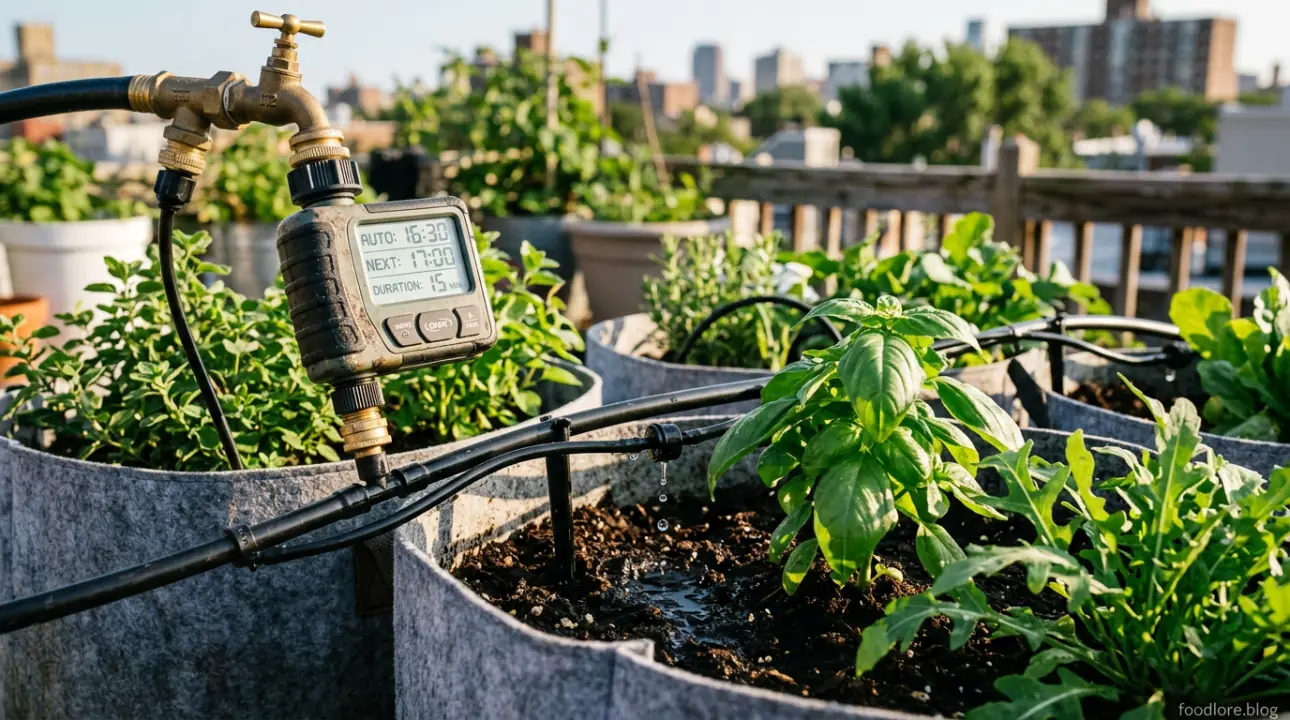
At its core, identifying and resolving common irrigation setup errors involves bridging the gap between theoretical blueprint layouts and unpredictable field conditions. A pervasive misconception assumes that simply connecting pipes, valves, and sprinkler heads to a municipal water source yields a uniform watering network. In practice, variations in elevation, fluctuating municipal water pressures, and improper pipe sizing create dramatic pressure drops across different zones, causing some areas to flood while adjacent sections experience severe drought.
Another frequent pitfall relies on mixing different types of emission devices—such as rotary nozzles and fixed spray heads—on the same control valve zone. Because rotary nozzles deliver water at a significantly lower precipitation rate than traditional spray heads, combining them on a single circuit means the turf watered by the spray heads becomes waterlogged long before the rotary-watered sections receive adequate moisture.
True mastery of irrigation troubleshooting demands evaluating the system as an integrated hydraulic circuit where a single bottleneck, such as an undersized main supply line, compromises every downstream component. By understanding how flow velocity, friction loss, and precipitation rate matching dictate system efficiency, designers and landscape professionals can eliminate chronic dry spots and optimize resource conservation.
Deep Contextual Background and Systemic Evolution
Historically, agricultural and landscape irrigation relied on gravity-fed diversion ditches, flood basins, and rudimentary open channels. These early methods prioritized volume over precision, resulting in immense water waste through deep percolation and surface evaporation. The mid-twentieth century introduced pressurized metal piping and impact sprinklers, transforming watering networks into engineered systems capable of operating across undulating topography.
The subsequent decades brought significant material and technological advancements, shifting the industry from galvanized steel and manual gate valves to flexible high-density polyethylene (HDPE) or polyvinyl chloride (PVC) piping, solenoid-actuated remote valves, and automated electromechanical controllers. Despite these hardware improvements, installation methodologies frequently failed to keep pace with engineering standards. Installers often replicated historical habits—such as over-pressurizing circuits or ignoring soil infiltration limits—within modern automated networks.
In the contemporary landscape, water scarcity, municipal conservation mandates, and rising utility costs elevate the importance of precise irrigation design. Smart controllers, soil moisture sensors, and weather-based evapotranspiration adjustments now complement physical layouts. This systemic evolution underscores why eliminating foundational design mistakes is essential for modern landscape and agricultural sustainability.
Conceptual Frameworks and Mental Models
1. The Hydraulic Energy Gradient Model
This mental model treats water movement through a pipeline as a continuous energy balance governed by pressure head, elevation head, and friction loss. It dictates that every fitting, valve, and elevation change depletes available energy, requiring careful pipe sizing to maintain adequate working pressure at the final emission device.
2. The Precipitation Rate Equilibrium Framework
This model requires matching the rate at which water leaves a sprinkler head with the infiltration capacity of the soil. If application rates exceed soil intake rates, surface runoff and pooling occur regardless of total run time.
3. The Zone Hydrological Isolation Principle
This framework posits that each control valve zone must encompass areas with homogenous water requirements, solar exposure, wind patterns, and plant species to prevent over-watering or under-watering mixed microclimates.
Key Categories and Variations of Irrigation Setup Flaws
Systemic flaws in watering networks generally stem from specific mechanical, hydraulic, or planning oversights during initial installation.
-
Inadequate Pipe Sizing and Velocity Spikes: Utilizing undersized lateral or main lines, causing excessive water velocity (exceeding 5 feet per second), severe friction loss, and destructive water hammer events.
-
Precipitation Rate Mismatches: Combining fixed spray heads and high-efficiency rotary nozzles on the same circuit, leading to extreme distribution uniformity failures.
-
Pressure Regulation Deficiencies: Failing to install pressure-compensating components or master pressure regulators, resulting in head misting, atomization, and uneven throwing distances.
-
Improper Head-to-Head Spacing: Placing sprinkler heads too far apart rather than achieving true head-to-head coverage, leaving unwatered dry triangles between arcs.
-
Zoning by Microclimate Ignorance: Grouping sunny south-facing turf zones and shaded north-facing planting beds on the same valve circuit.
-
Absence of Check Valves in Sloped Terrain: Omitting low-drain check valves on sloped landscapes, causing lateral lines to drain completely through lowest-elevation heads and flood turf beds.
-
Backflow Prevention Omissions: Neglecting to install approved atmospheric vacuum breakers or reduced pressure principle assemblies, risking municipal water supply contamination.
Comparative Evaluation of Irrigation Setup Errors
| Setup Error Category | Primary Mechanical Impact | Efficiency Degradation | Remediation Complexity | Financial Impact of Failure |
| Undersized Main/Lateral Piping | Severe pressure starvation | High (30% to 50% loss) | High (requires trenching) | Very High |
| Mixed Precipitation Rates | Uneven moisture distribution | Moderate to High | Moderate (zone splitting) | Moderate |
| Improper Head Spacing | Dry triangular gaps between arcs | High | Low to Moderate (adding heads) | Moderate |
| Missing Check Valves on Slopes | Low-head drainage and puddling | Moderate | Low (installing check valves) | Low to Moderate |
| Single-Zone Microclimates | Over/under-watering cross-stress | High | High (rewiring/re-piping) | High |
| Unregulated High Pressure | Head misting and excessive drift | Moderate | Low (adding pressure regulators) | Low |
Realistic Decision Logic
Addressing setup flaws requires prioritizing issues based on structural integrity and water waste severity. For a commercial landscape exhibiting both pipe velocity spikes and mixed precipitation rates, structural pipe modifications take precedence. Resolving pressure and velocity issues prevents catastrophic pipe bursts and ensures baseline hydraulic stability. Once stable pressure is established, secondary adjustments—such as splitting mixed-emission zones and correcting head-to-head spacing—can proceed systematically to optimize distribution uniformity.
Detailed Real-World Scenarios
Scenario A: The Sloped Residential Hillside Estate
A residential property features a steep terraced slope planted with turfgrass and ornamental shrubs, watered by a single unzoned irrigation circuit.
-
Constraints: Severe elevation changes, high water runoff velocity, and varied sun exposure across terraces.
-
Decision Points: Installing a single high-pressure valve versus breaking the slope into multiple pressure-regulated, terrace-specific zones with low-angle rotary nozzles.
-
Failure Modes: Water pools at the base of the slope due to gravity drainage and high precipitation rates, while the upper terrace suffers severe drought stress.
-
Second-Order Effects: Soil erosion, mudslides washing over hardscapes, turf root suffocation at the base, and steep water utility bills.
Scenario B: The Commercial Office Park Retrofit
A corporate facility expands its parking lot, cutting across an existing mainline irrigation loop and forcing installers to splice undersized flexible tubing into the main supply.
-
Constraints: Rigid construction deadlines, concrete hardscape barriers, and strict landscaping appearance guidelines.
-
Decision Points: Trenching a completely new, properly sized looped main versus patching the system with narrow auxiliary lines.
-
Failure Modes: Friction loss spikes across the constriction point, causing sprinkler pop-up heads near the end of the line to fail to elevate.
-
Second-Order Effects: Widespread dry turf patches near the perimeter, increased friction wear on pump motors, and expensive emergency re-trenching repairs.
Scenario C: The Municipal Athletic Sports Complex
A multi-field sports complex installs high-output impact sprinklers on a municipal water grid without incorporating backflow preventers or master control valves.
-
Constraints: High volume demands, strict public health compliance regulations, and intense usage schedules.
-
Decision Points: Utilizing direct municipal connection versus engineering a dedicated booster pump station with certified reduced-pressure backflow assemblies.
-
Failure Modes: Sudden valve closures trigger intense water hammer shockwaves, cracking underground PVC fittings and contaminating the municipal supply during pressure drops.
-
Second-Order Effects: Sudden sinkholes under turf fields, health code violations, costly municipal fines, and game field closures.
Planning, Cost, and Resource Dynamics
Designing and installing a robust irrigation network requires balancing initial material investments against the long-term costs of system failures, repairs, and water waste. Opting for cheap, substandard components—such as thin-walled PVC, unrated fittings, or low-grade solenoid valves—almost invariably guarantees premature system failure and high remediation expenses.
Direct costs encompass commercial-grade piping, pressure regulators, backflow assemblies, smart controllers, and high-efficiency emission devices. Indirect costs include inflated water utility bills resulting from leaks and runoff, landscape replacement due to root rot or drought, and professional diagnostic labor. Opportunity costs also apply; allocating capital to professional hydraulic design prevents chronic operational headaches and conserves valuable water resources.
Comprehensive Irrigation Investment and Resource Matrix
| Expense Category | Typical Scope | Cost Range (USD) | Primary Variance Drivers |
| Commercial-Grade Mainline Piping (PVC/HDPE) | 200 ft of 2-inch schedule 40/80 pipe | $300 – $900 | Material thickness, diameter, pressure rating |
| Certified Backflow Preventer Assembly | Reduced pressure principle device (RPZ) | $250 – $800 | Flow capacity, municipal certification requirements |
| Smart Wi-Fi Irrigation Controller | 16-station professional multi-zone unit | $200 – $600 | Expansion modules, weather-sensing integration |
| Pressure-Regulating Spray Heads & Rotors | Per 50 units for a commercial zone | $250 – $750 | Built-in pressure regulation, nozzle versatility |
| Professional Hydraulic System Audit | Comprehensive flow, pressure, and catch-can test | $400 – $1,200 | Property scale, system complexity, diagnostic depth |
| Master Control & Zone Solenoid Valves | Heavy-duty flow-control valves (per unit) | $45 – $150 | Body construction, flow control stem, diaphragm quality |
Tools, Strategies, and Support Systems
Executing a flawless irrigation installation or diagnosing complex setup errors requires leveraging specialized hydraulic tools and diagnostic systems.
-
Pitot Tubes and Pressure Gauges: Instruments used to measure static and dynamic operating pressure directly at the nozzle orifice.
-
Ultrasonic Flow Meters: Non-invasive devices that measure water velocity and flow rates through existing pipes to detect restrictions or hidden leaks.
-
Catch-Can Distribution Tests: Standardized containers deployed across zones to measure exact precipitation amounts and calculate distribution uniformity (DU) percentages.
-
Wire Trackers and Solenoid Locators: Electronic diagnostic units used to trace buried control wires and pinpoint lost valve boxes.
-
Hydraulic Calculation Software: Digital design programs that simulate friction loss, flow velocity, and pressure drops across complex piping layouts.
-
Soil Moisture Tensiometers: Subsurface sensors that verify whether irrigation schedules align with actual root-zone saturation levels.
Risk Landscape and Failure Modes
Operating an irrigation network characterized by fundamental setup errors introduces severe physical, financial, and regulatory risks.
The primary mechanical risk is catastrophic pipe failure caused by water hammer shockwaves or excessive operating pressure. When valves snap shut too quickly or water velocity exceeds safe limits, pressure spikes can rupture underground joints, flooding foundational structures or washing out landscaping beds.
The primary environmental and regulatory risk is backflow contamination and water resource mismanagement. Failing to install certified backflow assemblies can allow stagnant irrigation water—potentially laced with fertilizers, herbicides, and animal waste—to siphon back into potable municipal drinking water supplies, posing severe public health hazards and triggering heavy legal penalties.
Governance, Maintenance, and Long-Term Adaptation
Maintaining optimal hydraulic performance over the lifespan of an irrigation system requires structured operational reviews, seasonal adjustments, and proactive component renewals.
Operational Review Cycles
-
Bi-Annual Valve and Backflow Inspection: Testing backflow preventers and inspecting valve diaphragms for debris or wear every six months.
-
Seasonal Catch-Can Audits: Performing distribution uniformity tests twice a year to account for nozzle wear, shifting heads, or plant growth obstruction.
-
Quarterly Pressure and Flow Checks: Monitoring static and dynamic pressure at system manifolds to detect developing clogs, pipe restrictions, or municipal supply changes.
Layered Maintenance Checklist
-
Flush lateral lines annually by removing end-of-line flush caps to clear accumulated mineral sediment and debris.
-
Adjust head arcs and heights seasonally to prevent emerging shrubs or mature turf from blocking water streams.
-
Winterize systems in freeze-prone climates by blowing out lines with compressed air to prevent cracking.
-
Inspect electrical valve wiring splices annually for waterproof sealant degradation and corrosion.
Measurement, Tracking, and Evaluation
Evaluating the efficacy of an irrigation setup relies on balancing lagging operational failures against leading hydraulic efficiency indicators.
Lagging indicators measure past system degradation: unexpected spikes in water utility bills, widespread dry turf patches, frequent mainline pipe bursts, and plant mortality due to over- or under-watering. Relying solely on lagging indicators means severe water waste and landscape damage have already occurred.
Leading indicators predict efficiency and prevent failure: precise dynamic pressure readings at design flow, high distribution uniformity scores during catch-can tests, clean filter screens, and properly calibrated seasonal controller schedules.
Documentation and Tracking Examples
-
Hydraulic As-Built Schematic: A detailed engineering drawing recording exact pipe depths, valve locations, wire paths, and head sizing.
-
Water Meter Consumption Log: A monthly record tracking volume usage against historical baselines to flag hidden underground leaks.
-
Zone Audit Register: A structured log recording catch-can test results, precipitation rates, and scheduled run times for every control valve.
Common Misconceptions and Oversimplifications
-
Myth: Higher water pressure always improves sprinkler performance and expands coverage distance.
-
Correction: Excessive pressure causes head misting, atomization, and wind drift, drastically reducing effective water distribution uniformity and wasting water.
-
-
Myth: All pop-up sprinkler heads of the same brand are interchangeable on any given zone circuit.
-
Correction: Mixing fixed spray nozzles and rotary nozzles on the same circuit creates massive precipitation rate imbalances, flooding some areas while starving others.
-
-
Myth: Installing larger pipes everywhere completely eliminates the need for professional hydraulic calculations.
-
Correction: Oversizing pipes unnecessarily increases material costs and water volume retention in lines, while failing to account for elevation changes and fitting friction loss.
-
-
Myth: Smart controllers equipped with weather sensors eliminate the need for physical system inspections and head adjustments.
-
Correction: While smart controllers optimize run times, they cannot detect physical problems like broken heads, tilted risers, or clogged filters.
-
-
Myth: Rain sensors make manual seasonal controller schedule adjustments obsolete.
-
Correction: Rain sensors only interrupt cycles during active precipitation; they do not adjust watering durations for seasonal temperature shifts or changing plant evapotranspiration rates.
-
-
Myth: Backflow prevention assemblies only matter for large commercial agricultural setups.
-
Correction: Residential irrigation systems connected to potable water supplies require certified backflow protection to prevent dangerous chemical cross-contamination.
-
Practical and Environmental Considerations
Designing irrigation systems carries broader ecological responsibilities. Minimizing water waste through proper setup design conserves vital municipal and regional water reserves, preventing aquifer depletion and reducing energy consumption associated with water treatment and pumping. Furthermore, preventing fertilizer and pesticide runoff through precise, uniform application protects local watersheds, rivers, and aquatic ecosystems from agricultural and urban chemical pollution.
Conclusion
Mastering how to avoid and correct common irrigation setup errors requires integrating rigorous hydraulic principles, careful zoning discipline, and proactive system maintenance. True watering efficiency is never achieved through casual guesswork, haphazard pipe connections, or unverified pressure assumptions. Instead, sustainable landscape and agricultural hydration relies on matching emission rates to soil profiles, maintaining proper pipe sizing and pressure regulation, and conducting regular diagnostic audits. By approaching irrigation design through a structured, engineering-driven lens, property owners and professionals can conserve vital water resources, protect structural investments, and foster resilient, healthy environments.