How to Avoid Root Penetration Damage: Expert Guide
Subterranean root systems represent a powerful biological force. Specifically, roots exert immense lateral and vertical pressures as they seek moisture, oxygen, and vital nutrients. When urban forestry intersects with municipal and residential civil infrastructure—such as sewer lines, water mains, foundations, and pathways—uncontrolled root growth frequently leads to catastrophic structural displacement. Because the underground expansion of woody plants spans decades, early architectural and biological planning remains critical.
Addressing this structural vulnerability demands a shift from reactive repairs to proactive spatial design. Therefore, knowing how to avoid root penetration damage involves combining arboricultural knowledge with civil engineering principles. Key steps include root barrier installation, smart species selection, and strategic spatial separation. Treating root management as an engineering priority prevents expensive plumbing failures and cracked foundations.
Achieving long-term infrastructure resilience relies on understanding underground mechanics. Specifically, soil aeration, moisture gradients, and root tropisms interact beneath the surface. The following analysis examines physiological root causes, strategic design frameworks, and operational safeguards necessary to protect civil structures across diverse environments.
Understanding “how to avoid root penetration damage”
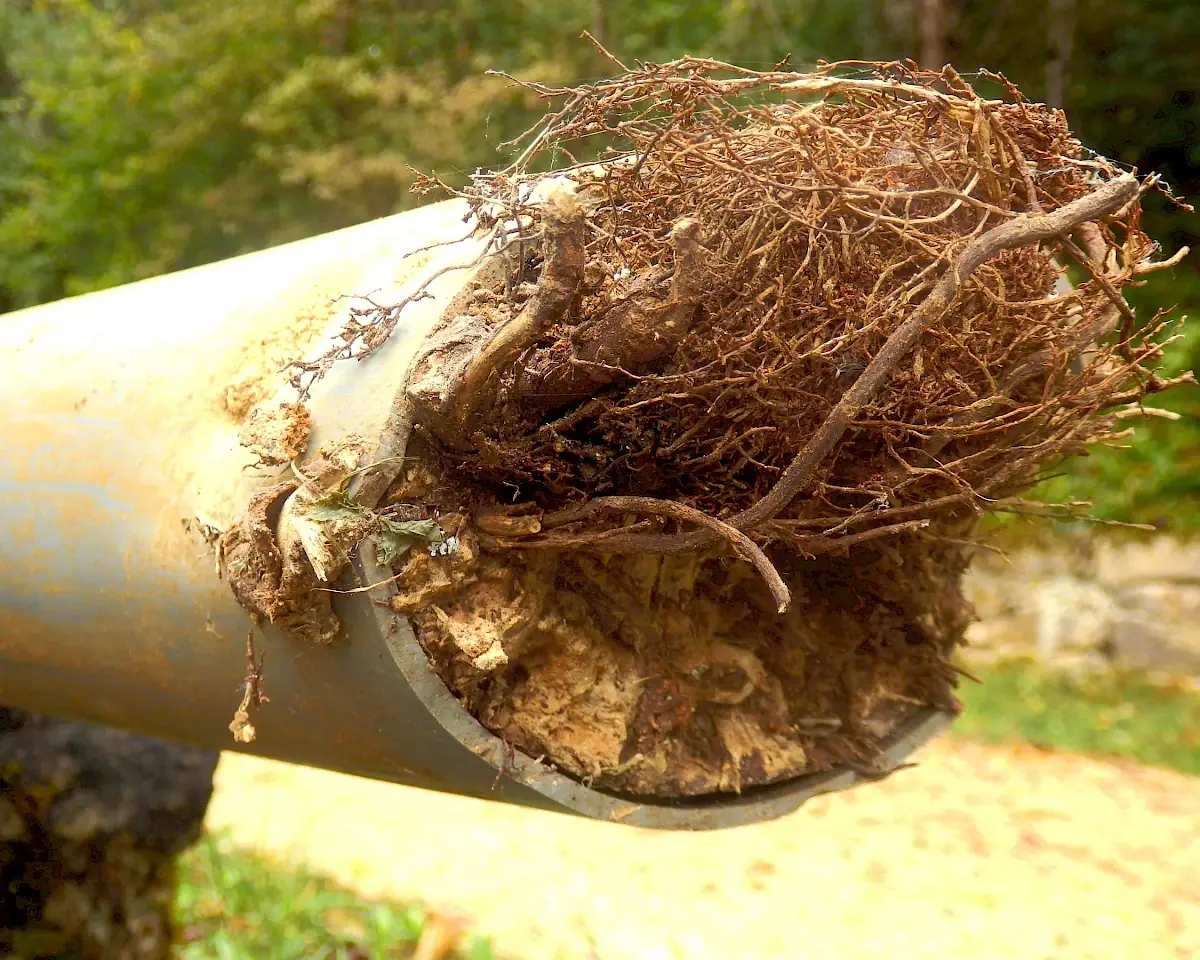
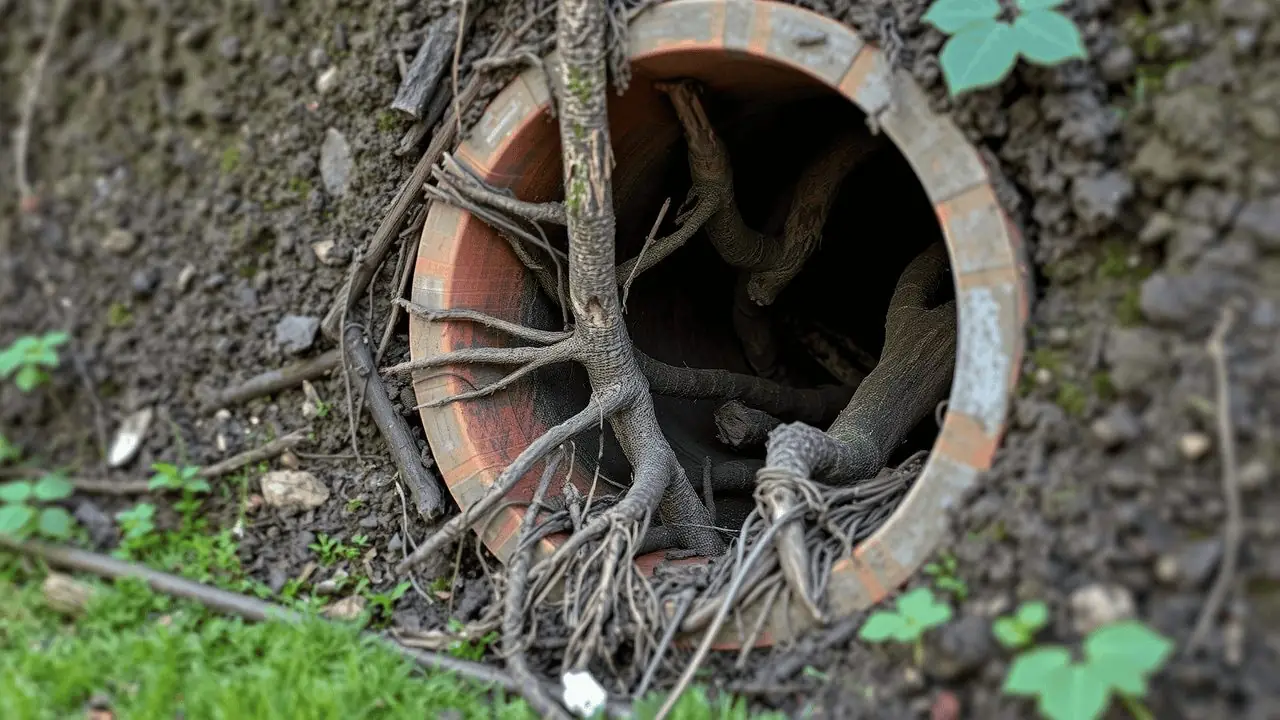
At its core, figuring out how to avoid root penetration damage requires recognizing a vital truth. Specifically, roots do not actively attack or break pipes out of malice. Instead, they exploit pre-existing vulnerabilities where moisture, condensation, and nutrient vapor escape into surrounding soil. A pervasive misconception assumes that wrapping a pipeline in plastic film provides absolute immunity. In practice, fine feeder roots travel remarkable distances. They enter microscopic cracks or poorly sealed pipe joints, and they eventually expand inside the pipe to block flow.
Another frequent pitfall involves planting aggressive canopy trees—such as willows or poplars—close to lateral sewer lines. Homeowners often ignore the aggressive lateral spread of these trees. True mastery of root mitigation demands evaluating the mature root architecture of selected plants relative to utility corridors.
By analyzing how soil compaction and moisture gradients drive root proliferation, property owners can eliminate structural intrusion risks. Consequently, proactive planning prevents damage before it ever occurs.
Deep Contextual Background and Systemic Evolution
Historically, infrastructure utilized clay tiles, brick-lined channels, and mortared stone joints. These materials easily succumbed to ground movement and root intrusion. As cities expanded during the nineteenth and twentieth centuries, the adoption of cast iron, asbestos-cement, and early PVC piping reduced structural failures. However, root penetration remained a persistent maintenance challenge due to brittle joint sealing materials.
Subsequent decades witnessed significant material advancements in civil piping. For example, gasketed PVC, high-density polyethylene (HDPE), and welded joints emerged alongside physical root barriers. Despite these innovations, urban tree planting practices frequently ignored root space limitations. As a result, dense urban canopies matured over old utilities, causing sidewalk buckling and pipeline blockages.
In the contemporary landscape, sustainable urban forestry mandates require preserving mature trees while protecting underground utilities. Modern root-guiding panels, deep-root barrier fabrics, and trenchless pipe rehabilitation technologies now guide professional engineering. This systemic evolution underscores why mastering preventive root management is essential.
Conceptual Frameworks and Mental Models
1. The Hydrotropic Attraction and Moisture Gradient Model
This mental model explains that roots do not possess vision or intent. Instead, they grow preferentially toward areas of higher moisture availability. Any weeping pipe joint establishes a localized moisture gradient that draws fine roots directly toward the structural breach.
2. The Spatial Buffer and Root Architecture Framework
This model categorizes trees by their root system morphology. Specifically, it distinguishes between deep taproot systems and shallow lateral spreading networks. Consequently, planners can mandate safe setback distances from foundations.
3. The Vertical Deflection Principle
This framework posits that physical barriers must be installed at sufficient depths. By intercepting horizontal root growth, these barriers physically redirect roots downward into deeper soil strata, safely away from vulnerable infrastructure.
Key Categories or Variations of Root Mitigation Strategies
Preventing root intrusion involves distinct physical, biological, and structural interventions. These methods are typically implemented during initial construction or post-installation retrofitting.
-
Deep Root Barrier Panels: Installing heavy-duty high-density polyethylene (HDPE) vertical panels with internal root-deflecting ribs along utility trenches.
-
Trenchless Pipe Rehabilitation (CIPP): Lining aging cracked sewer pipes with seamless epoxy resin tubes that eliminate pipe joints and entry points.
-
Strategic Tree Species Selection: Planting species with non-aggressive, vertical root systems near structures while avoiding high-risk lateral spreaders.
-
Engineered Spatial Setbacks: Maintaining precise minimum horizontal separation distances between large canopy trees and underground utility corridors.
-
Chemical Root Deterrents: Applying slow-release copper-impregnated herbicides around pipe bedding zones to discourage root proximity.
-
Subsurface Root-Guiding Channels: Constructing gravel-filled deflection trenches beneath pedestrian walkways to prevent sidewalk lifting.
-
Foundation Root Decompression Zones: Installing air-spayed structural soil matrices that support tree growth without exerting lateral pressure on foundations.
Comparative Evaluation of Root Mitigation Strategies
| Mitigation Strategy | Upfront Capital Impact | Long-Term Effectiveness | Installation Complexity | Maintenance Trade-Offs |
| HDPE Vertical Root Barriers | Moderate | High (15+ years) | Moderate | Periodic capping inspection |
| Cured-In-Place Pipe (CIPP) Lining | High | Very High (Structural seal) | High (Specialist equipment) | None |
| Strategic Setback Planning | Zero (Design phase) | Absolute (Prevents conflict) | Low | Requires sufficient property space |
| Chemical Root Deterrent Zones | Low to Moderate | Moderate (Decays over time) | Low | Periodic reapplication required |
| Structural Air-Sped Soil Systems | High | High | High | Complex urban retrofitting |
| Concrete Root Bridging Panels | Moderate | High | Moderate | Surface inspection required |
Realistic Decision Logic
Implementing root mitigation requires balancing immediate capital expenditure against future repair costs. For a municipal utility line running adjacent to street trees experiencing chronic root intrusion, structural pipe replacement via CIPP lining paired with vertical barriers provides a definitive solution. Conversely, for a new residential project, prioritizing strategic spatial setbacks prevents future conflicts entirely at zero additional material cost.
Detailed Real-World Scenarios
Scenario A: The Historic Urban Streetscape
A historic downtown district features century-old London plane trees whose expanding surface roots lift brick pavers and crush adjacent water lines.
-
Constraints: Historic preservation mandates, pedestrian safety liability, and dense underground utility congestion.
-
Decision Points: Cutting down the historic trees versus installing subterranean root-guiding deflection panels and bridging pavers over structural frames.
-
Failure Modes: Aggressively cutting large roots destabilizes mature trees, creating wind-throw hazards, while ignoring roots leads to lawsuits.
-
Second-Order Effects: Preserved urban canopy, smooth ADA-compliant pedestrian pathways, and uncompromised underground utilities.
Scenario B: The Residential Lateral Sewer Intrusion
A suburban homeowner experiences repeated sewer line backups caused by silver maple roots penetrating cracked clay pipe joints.
-
Constraints: Limited yard excavation budget, mature landscaping aesthetics, and urgent plumbing requirements.
-
Decision Points: Trenching the entire lawn to replace broken pipes versus utilizing trenchless CIPP pipe lining.
-
Failure Modes: Mechanical root-snaking clears pipes temporarily but leaves structural cracks open, leading to faster re-growth.
-
Second-Order Effects: Seamless, root-proof interior pipe walls, saved lawn landscaping, and permanent elimination of backups.
Scenario C: The Commercial Foundation Retaining Wall
A commercial complex features a parking structure bordered by retaining walls and massive oak trees whose roots exert lateral pressure.
-
Constraints: Structural engineering safety limits, heavy vehicle load requirements, and high liability risks.
-
Decision Points: Removing mature oaks versus installing heavy-duty vertical root barrier walls combined with structural drainage boards.
-
Failure Modes: Unchecked root expansion exerts hydrostatic pressure against walls, causing hairline cracks and structural shifting.
-
Second-Order Effects: Stabilized foundation walls, preserved structural integrity, and maintained aesthetic shade canopy.
Planning, Cost, and Resource Dynamics
Avoiding root penetration damage requires evaluating upfront preventive design against the exorbitant financial tolls of emergency repairs. Opting for cheap piping materials or ignoring tree species selection invariably results in subterranean failures.
Direct costs encompass HDPE barrier panels, trenchless lining contractors, and professional arborist consultations. Indirect costs include property damage restoration, municipal utility fines, and business downtime. Opportunity costs also apply, as investing capital in professional mitigation during site planning prevents expensive emergency repairs.
Comprehensive Root Mitigation Investment and Resource Matrix
| Expense Category | Typical Scope | Cost Range (USD) | Primary Variance Drivers |
| Vertical HDPE Root Barrier Panels | 100 linear feet (24-inch depth) | $350 – $900 | Panel thickness, rib design, locking joins |
| Trenchless CIPP Sewer Pipe Lining | Residential lateral line (50 ft) | $3,500 – $7,500 | Pipe diameter, length, access pit complexity |
| Professional Arborist Root Audit | Comprehensive property risk assessment | $300 – $800 | Property scale, tree inventory size |
| Structural Root Pruning & Backfill | Per mature tree remediation | $500 – $1,500 | Root ball size, equipment access difficulty |
| Chemical Root Inhibitor Treatment | Professional perimeter soil injection | $400 – $1,000 | Treatment depth, linear footage coverage |
| Air-Spade Excavation Services | Non-destructive root exposure (per day) | $1,200 – $3,000 | Compressor capacity, soil density, labor hours |
Tools, Strategies, and Support Systems
Executing a successful root mitigation strategy requires specialized diagnostic tools and excavation systems.
-
Air-Spade Excavation Units: Pneumatic tools that use compressed air to remove soil safely around roots without tissue damage.
-
CCTV Pipeline Inspection Cameras: Self-propelled digital camera systems used to inspect interior pipe walls and locate exact root intrusion points.
-
Subsurface Ground Penetrating Radar (GPR): Non-destructive geophysical imaging tools used to map underground root distributions prior to excavation.
-
Heavy-Duty Trenching Machines: Mechanical trenchers used to cut precise narrow soil slots for inserting vertical root barriers.
-
Hydraulic Root Pruning Saws: Specialized reciprocating saws designed to make clean, disease-resistant cuts on large woody roots.
-
Trenchless Pipe Bursting Rigs: Heavy machinery used to pull new seamless HDPE pipes through damaged lines while fracturing old pipes outward.
Risk Landscape and Failure Modes
Operating infrastructure without structured root mitigation strategies introduces severe physical and financial risks.
The primary structural risk involves catastrophic pipeline collapse and foundation displacement. When aggressive roots exploit minor pipe cracks, their volumetric expansion exerts massive radial pressure, shattering brittle pipe materials and causing sewage backups.
The primary arboricultural risk centers on tree instability caused by improper root cutting. Severing major structural roots on one side of a tree can destabilize the canopy, creating severe wind-throw hazards during storms.
Governance, Maintenance, and Long-Term Adaptation
Maintaining long-term infrastructure protection requires structured operational reviews, regular pipeline inspections, and proactive landscape adjustments.
Operational Review Cycles
-
Tri-Annual CCTV Pipeline Scans: Inspecting main sewer lines with internal cameras every three years to catch early root infiltration.
-
Annual Root Barrier Inspections: Checking vertical barrier installations annually to ensure roots have not overtopped the edges.
-
Biennial Arborist Assessments: Evaluating mature tree health and root zone stability every two years to prevent unexpected tree failure.
Layered Maintenance Checklist
-
Clear debris from the top edges of vertical root barriers to prevent bridging by surface roots.
-
Apply periodic root inhibitor treatments around vulnerable utility vaults according to guidelines.
-
Monitor pavement surfaces near large trees quarterly for early signs of buckling.
-
Ensure new landscaping lines installed near mature trees maintain required spatial setbacks.
Measurement, Tracking, and Evaluation
Evaluating the success of a root mitigation program relies on balancing lagging infrastructure failures against leading engineering indicators.
Lagging indicators measure past system failure, including recurring sewer backups, foundation water leaks, and emergency replacement costs. Relying solely on lagging indicators means structural damage has already occurred.
Leading indicators predict stability and prevent damage. These include clean CCTV inspection reports, proper spatial clearance margins, and healthy tree canopy vigor without root upheaval.
Documentation and Tracking Examples
-
Subsurface Utility and Root As-Built Map: An engineering drawing recording exact utility locations and installed barrier perimeters.
-
CCTV Inspection Log Register: A structured database recording pipeline condition footage and root intrusion history.
-
Arboricultural Risk Assessment Log: A formal record tracking tree health scores and root pruning notes.
Common Misconceptions and Oversimplifications
-
Myth: Planting a tree twenty feet away guarantees zero root penetration damage.
-
Correction: Many aggressive tree species have lateral root systems extending two to three times the canopy width, easily exceeding twenty feet.
-
-
Myth: Wrapping a sewer pipe in plastic sheeting permanently stops roots from entering joints.
-
Correction: Thin plastic sheeting is easily punctured by growing root tips seeking pipeline moisture.
-
-
Myth: Cutting all large roots heading toward a foundation solves the problem instantly.
-
Correction: Severe, unengineered root pruning can kill the tree or create dangerous falling hazards during high winds.
-
-
Myth: Only old clay pipes suffer from root penetration damage.
-
Correction: Modern PVC pipes can experience root intrusion if joints are improperly seated or unsealed.
-
-
Myth: Chemical root foaming agents eliminate the need for physical barriers.
-
Correction: Chemical foams kill existing roots temporarily, but they do not seal structural cracks permanently.
-
-
Myth: All tree species possess equally aggressive root systems.
-
Correction: Root aggressiveness varies wildly by species, and deep-rooting trees pose minimal threat compared to shallow surface rooters.
-
Practical and Environmental Considerations
Managing root penetration and urban forestry carries broader ecological responsibilities. Preserving mature tree canopies provides vital environmental benefits—such as urban heat island mitigation and stormwater reduction—while protecting civil infrastructure requires balancing engineering needs with ecological stewardship. Deploying modern trenchless technologies allows communities to maintain robust urban forests without sacrificing underground utility integrity.
Conclusion
Mastering how to avoid root penetration damage requires integrating arboricultural science, civil engineering principles, and proactive barrier planning. True infrastructure protection is never achieved through casual tree placement or temporary chemical quick-fixes. Instead, sustainable asset management relies on selecting appropriate tree species, maintaining spatial setbacks, installing certified vertical root barriers, and utilizing trenchless pipe rehabilitation technologies. By approaching root mitigation through an engineering-driven lens, property owners can protect vital infrastructure and prevent costly failures.