Common Drainage Clogging Mistakes: Expert Prevention Guide
Subsurface drainage infrastructure and domestic plumbing represent vital operational foundations that frequently escape notice until total system failure occurs. The movement of wastewater, storm runoff, and organic residues through piping networks depends on precise hydraulic balance, gravity, and material integrity. When flow rates become obstructed, backpressure and sediment accumulation build quietly, transforming an efficient drainage system into a zone of biological stagnation.
Failing to maintain clear drainage channels stems not only from material wear, but also from repeated erroneous actions by occupants and building managers. Disregarding kitchen grease buildup, blindly deploying overly aggressive chemical cleaners, and misinterpreting early warning signs of clogs serve as primary drivers of long-term structural pipe degradation. Consequently, a thorough understanding of flawed operational patterns remains essential for preventing massive emergency repair expenditures.
The following in-depth analysis examines mechanical root causes, preventive frameworks, and flawed behavioral patterns that accelerate drainage system failures. Through this analytical approach, property owners can identify vulnerability points before minor disruptions escalate into severe sanitation and structural crises.
Understanding “common drainage clogging mistakes”
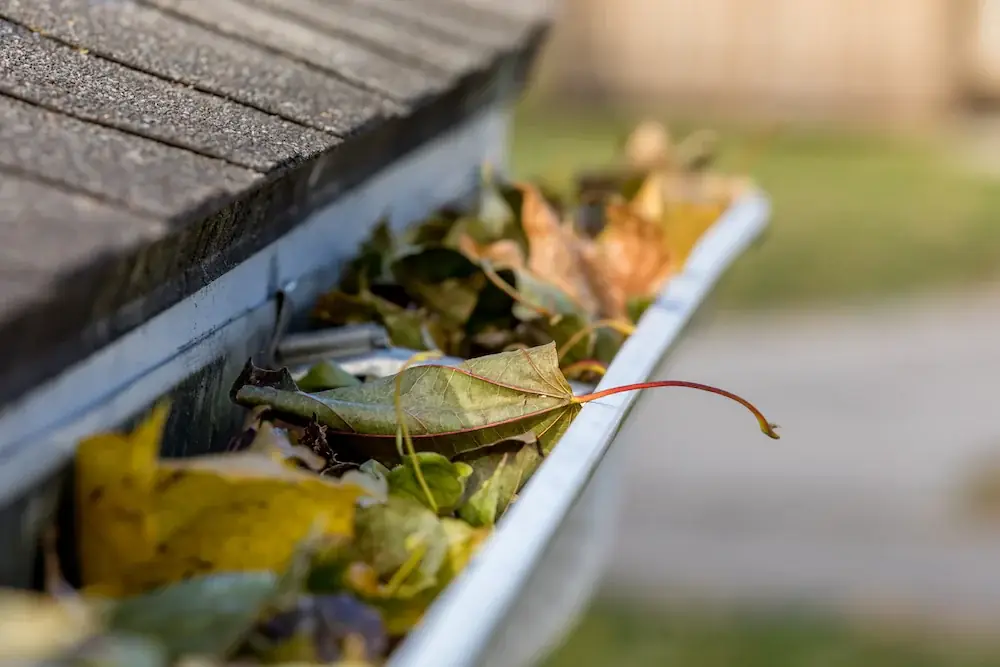
At its core, understanding common drainage clogging mistakes requires shifting perspectives from simply figuring out how to clear a blocked pipe to recognizing how daily habits systematically damage pipe hydraulics. One of the most fundamental errors assumes that water draining rapidly after pouring hot chemical liquid means a pipe is genuinely clean. Instead, these chemicals frequently dissolve only the center of a clog while leftover residue hardens along the interior pipe walls, permanently narrowing the effective pipe diameter.
Another conceptual error involves disposing of substances that appear liquid when hot—such as waste cooking oils or animal fats—down kitchen sinks. As these fats migrate deeper into colder piping systems, they solidify, trapping food particles, hair, and soap fragments to form dense mass clusters known as fatbergs. Ignoring early warning signs like slow drainage or gurgling sounds within pipes further compounds the risk of total sewer line failure.
Through a critical evaluation of daily disposal habits and flawed maintenance interventions, building managers can avoid expensive, repetitive emergency repair cycles.
Deep Contextual Background and Systemic Evolution
Historically, domestic and urban drainage systems relied on cast iron, clay, or cement pipes featuring relatively rough interior surfaces, making them prone to mineral scale accumulation and organic deposits. With the transition toward modern materials like Polyvinyl Chloride (PVC) and High-Density Polyethylene (HDPE) featuring smooth interior walls, expectations for clog-free performance increased drastically. Nonetheless, these material advancements frequently fostered a false sense of security, where users felt free to discharge any material down drains.
The development of commercial chemical cleaning products during the second half of the twentieth century altered the landscape of clog remediation. Rather than performing mechanical cleanings safe for pipe structures, society shifted toward strong acids or instant caustic soda. Continuous use of these reactive chemical agents accelerated corrosion in metal pipe joints and softened rubber gasket seals, ultimately triggering hidden leaks beneath floors or inside building walls.
In the contemporary landscape, increasing vertical and commercial occupancy densities demand much stricter liquid waste management discipline. The integration of modern CCTV pipe inspection cameras demonstrates how the accumulation of small mistakes over many years manifests into massive structural collapses, emphasizing the urgent need for fundamental shifts in how society treats drainage systems.
Conceptual Frameworks and Mental Models
1. The Narrowing Boundary Layer Model
This mental model explains that blockages rarely occur instantaneously, but rather through layer-by-layer deposition along interior pipe walls. Every time greasy substances or fabric fibers are carelessly discarded, the effective pipe diameter shrinks progressively until a critical threshold is reached.
2. Gravity Hydraulics and Flow Gradient Framework
This framework emphasizes that non-pressure drainage systems rely heavily on precise pipe slopes (typically one-quarter inch per foot). Violating this principle—such as disrupting pipe gradients during renovations or overloading pipes with heavy solids—causes a loss of self-cleansing velocity.
3. The Destructive Chemical Reaction Principle
This principle maps out how mixing or overusing corrosive cleaning chemicals creates excessive heat and exothermic reactions that compromise the structural integrity of both plastic and metal pipe joints.
Key Categories or Variations of Drainage Mistakes
Identifying various forms of maintenance errors and plumbing misuse helps prevent systemic damage across a building’s piping network.
-
Disposing of Cooking Fats and Oils: Pouring hot liquid grease down kitchen sinks where it instantly solidifies and binds solid waste inside pipes.
-
Overusing Strong Acidic/Alkaline Chemicals: Relying routinely on instant chemical cleaners that etch pipe walls and degrade joint seals.
-
Flushing Wipes and Hygiene Products: Disposing of “flushable” wipes or sanitary products down toilets even though these materials do not break down in water.
-
Neglecting Hair Catchers: Allowing hair and soap scum to enter bathroom drains freely, forming exceptionally strong fiber mats.
-
Abusing Garbage Disposal Units: Introducing stringy food fibers, coffee grounds, or small bones into disposal units incapable of pulverizing them thoroughly.
-
Lack of Periodic Water Flushing: Failing to flush low-use drains (such as guest room floor drains) periodically with high-volume clean water.
-
Pipe Modifications Without Gradient Calculation: Performing DIY pipe repairs without maintaining proper gravity flow gradients.
Comparative Evaluation of Drainage Mistakes and Impacts
| Drainage Mistake Type | Direct Impact on Pipes | Long-Term Damage Risk | Repair Complexity | Potential Repair Cost |
| Disposing of Fats & Grease | Narrowed pipe diameter | Massive fatberg formation & corrosion | High (Hydro-jetting) | Moderate to High |
| Routine Corrosive Chemical Use | Gasket seal & joint damage | Hidden leaks inside walls | Very High | High |
| Flushing Wipes & Sanitories | Total mechanical blockage at bends | Backpressure & foul wastewater overflows | Moderate | Moderate |
| Neglecting Hair Catchers | Fiber buildup in P-traps | Total bathroom drainage blockage | Low | Low |
| Garbage Disposal Misuse | Sludge accumulation in horizontal pipes | Motor damage & solid sediment deposits | Moderate | Moderate to High |
| Neglecting Low-Use Drains | Water evaporation in traps (gas leaks) | Air contamination & pest entry | Low | Low |
Realistic Decision Logic
Evaluating clogged drain handling requires balancing self-administered preventive actions against professional intervention. If a drain experiences severe blockage from solid grease accumulation in a building’s main line, using manual tools or household chemicals worsens the situation; in this scenario, professional hydro-jetting equipment represents an absolute decision. Conversely, for minor sink strainer clogs caused by hair buildup, manual mechanical cleaning of the P-trap component proves sufficiently effective and efficient without added costs.
Detailed Real-World Scenarios
Scenario A: Commercial Restaurant with Chronic Grease Issues
A family restaurant experiences a total blockage in its primary kitchen waste line, triggering an overflow of greasy wastewater onto the operational kitchen floor.
-
Constraints: High volume of cooking waste, compliance with environmental health standards, and financial losses due to temporary operational closures.
-
Decision Points: Calling professional waste removal services for total hydro-jetting cleaning versus continuously pouring cheap commercial chemical cleaners.
-
Failure Modes: Relying on chemical liquids fails to dissolve thick grease clumps (fatbergs), causing backpressure to rupture vertical pipe joints behind ceramic walls.
-
Second-Order Effects: Thorough hydro-jetting saves the pipes, higher-capacity grease trap installation, and implementation of daily grease disposal SOPs.
Scenario B: Apartment Complex with “Flushable” Wipes
A multi-family vertical residential unit experiences wastewater pooling on the ground floor due to a massive blockage in the main vertical stack caused by occupants flushing wipes.
-
Constraints: Multi-story vertical pipe complexity, multi-unit resident complaints, and strict building management coordination.
-
Decision Points: Breaking open vertical walls to replace pipes versus using industrial-grade drain snakes (augers) to pull out tangled wipe fiber masses.
-
Failure Modes: Occupants assume the “flushable” label on wipe packaging means safety for all plumbing systems, ignoring the reality that synthetic fibers do not disintegrate at pipe elbows.
-
Second-Order Effects: Successful mechanical cleaning, posting sanitation code educational warning signs in elevators, and reducing recurring blockage incidents.
Scenario C: DIY Residential Renovation
A homeowner renovates a bathroom independently without adhering to horizontal drainage pipe slope gradient rules over a four-meter span.
-
Constraints: Limited renovation budget, lack of civil hydraulic engineering understanding, and restrictive floor cavity spaces.
-
Decision Points: Installing flat-sloped pipes to save space versus breaking open floor structures to achieve correct gravity flow gradients.
-
Failure Modes: Overly flat pipe slopes cause wastewater to flow too slowly, leaving solid feces and soap residues to harden permanently.
-
Second-Order Effects: Re-excavating floor structures post-renovation due to foul odors and chronic blockages unresolvable by ordinary cleaning tools.
Planning, Cost, and Resource Dynamics
Avoiding drainage management mistakes requires evaluating preventive expenditures against the enormous financial toll of emergency infrastructure repairs. Ignoring preventive maintenance or employing destructive cleaning methods invariably results in breaking open building floors and walls.
Direct costs encompass professional hydro-jetting services, replacement of corrosive pipe seals, repairs to collapsed pipe sections, and installation of grease interceptors. Indirect costs include building interior damage from wastewater overflows, disruption of resident comfort, and potential environmental health fines for commercial buildings. Opportunity costs also apply; allocating budget for periodic drain audits prevents total damage and protects long-term property value.
Comprehensive Drainage Management Investment and Resource Matrix
| Expense Category | Typical Scope | Cost Range (USD) | Primary Variance Drivers |
| CCTV Drain Inspection Camera | Residential piping network mapping (100 ft) | $250 – $600 | Path complexity, access point accessibility |
| Professional Hydro-Jetting Cleaning | Total commercial main line cleaning | $450 – $1,200 | Pump pressure, pipe diameter, blockage severity |
| Commercial Grease Trap Installation | Kitchen sink under-counter grease unit | $300 – $1,500 | Flow capacity (GPM), stainless steel material |
| Broken Pipe Section Replacement | Horizontal PVC pipe segment repair | $400 – $1,500 | Excavation depth, structural accessibility |
| Emergency Plumbing Services (After-Hours) | Critical overflow and clog handling | $200 – $500 (per hour) | Call time, urgency level |
| Manual/Motorized Auger Purchase | Household DIY clearing devices | $50 – $250 | Cable length, power drive mechanism |
Tools, Strategies, and Support Systems
Managing drainage systems effectively or diagnosing maintenance error points requires reliable diagnostic and mechanical tools.
-
Flexible CCTV Line Inspection Cameras: High-resolution digital camera devices with LED lights inserted into pipes to view interior conditions and clog locations directly.
-
High-Pressure Water Cleaning Machines (Hydro-Jetting): Extreme pressure water pumps spraying backward and forward streams to strip grease scale and hard deposits.
-
Electric Cable Auger (Drain Snake) Machines: Flexible rotating steel cable devices capable of penetrating and cutting roots or solid masses inside pipes.
-
Automatic Grease Interceptor Devices: Mechanical units separating grease from kitchen wastewater before entering main lines.
-
Specialized Pipe Wrenches & Trap Pliers: Precision hand tools for opening and cleaning sink P-trap elbows without damaging pipe threads.
-
Biological Drain Cleaner Powders: Environmentally safe bacteria digesting organic waste and grease biologically without harming pipe walls.
Risk Landscape and Failure Modes
Operating water drainage systems without understanding common operational mistakes introduces severe structural, health, and financial risks.
The primary structural risk involves pipe joint failures driven by chemical corrosion and hydraulic backpressure. When lines clog completely from wipe or grease accumulation, continuous water pressure forces liquids to seek the weakest points, seeping into building foundation structures and triggering concrete and timber decay.
The primary health risk centers on exposure to hazardous pathogens and sewer gases (hydrogen sulfide). Blackwater wastewater overflows inside living spaces create massive biological contamination risks, while damaged water trap seals allow toxic gases to enter human living spaces.
Governance, Maintenance, and Long-Term Adaptation
Maintaining long-term drainage system health demands structured operational reviews, regular pipeline inspections, and adherence to waste disposal regulations.
Operational Review Cycles
-
Annual CCTV Camera Inspections: Inspecting interior building main pipe conditions annually to catch early grease scale buildup or cracks.
-
Monthly Grease Trap Cleanings: Emptying and cleaning kitchen grease interceptor units regularly to prevent grease overflow into public lines.
-
Semi-Annual Occupant Compliance Audits: Evaluating resident or operational staff understanding of prohibited items banned from drainage systems.
Layered Maintenance Checklist
-
Pour adequate clean hot water down kitchen sinks every weekend to melt residual micro-grease.
-
Ensure all floor drains and sinks feature intact strainers or hair catchers.
-
Avoid using strong acidic chemical cleaning liquids more than once a year, prioritizing mechanical or enzymatic cleaning.
-
Perform periodic water flow testing on low-use drainage points to maintain water seals inside P-traps.
Measurement, Tracking, and Evaluation
Evaluating the success of drainage error prevention relies on balancing lagging failure indicators against leading preventive maintenance indicators.
Lagging indicators measure past system failures, including frequency of emergency plumber calls, indoor wastewater overflow events, persistent foul sewer odors, and broken pipe replacement costs. Relying solely on lagging indicators means structural damage has already occurred.
Leading indicators predict stability and prevent disruptions: consistent grease trap cleaning logs, clean CCTV pipe inspection reports, normal drainage flow speeds, and zero occupant complaints.
Documentation and Tracking Examples
-
Drain Maintenance and Cleaning Log: A structured database recording grease trap cleaning dates, CCTV inspections, and clog complaint history.
-
As-Built Piping Network Map: Engineering documents recording horizontal and vertical pipe paths, cleanout access points, and maximum flow capacities.
-
Building Cleaning Chemical Audit Records: Inventory documents restricting hazardous corrosive chemicals and prioritizing pipe-safe enzymatic products.
Common Misconceptions and Oversimplifications
-
Myth: Cooking oil liquefied with hot water is safe to pour down kitchen sinks.
-
Correction: Hot water only delays oil solidification; once oil enters colder deep pipes, it solidifies and binds other debris into solid clogs.
-
-
Myth: The “flushable” label on wet wipe packaging means the product is safe and disintegrates entirely in household toilet plumbing.
-
Correction: Most “flushable” wipes lack sufficient disintegration speeds, easily snagging on pipe bends to trigger total blockages.
-
-
Myth: Instant chemical cleaning liquids represent the best and safest solution for addressing all types of drain clogs.
-
Correction: Continuous use of reactive chemical agents degrades rubber seals, softens plastic pipes, and fails to resolve solid mechanical clogs.
-
-
Myth: Garbage disposal units can pulverize all types of food waste without limits.
-
Correction: Long fibrous plants, coffee grounds, and hard bones must not be introduced because they damage grinder blades and settle at horizontal pipe bases.
-
-
Myth: Modern PVC plastic pipes will never clog because their walls are extremely smooth.
-
Correction: Smooth surfaces cannot prevent grease and soap fiber accumulation if users routinely dump prohibited materials into drains.
-
-
Myth: Foul odors from drainage holes are easily resolved by spraying room air fresheners around the bathroom.
-
Correction: Foul odors indicate water trap (P-trap) seal failure or anaerobic waste accumulation inside pipes requiring physical cleaning.
-
Practical and Environmental Considerations
Managing water drainage and household wastewater systems carries broad ecological implications. Irresponsible disposal of waste cooking oil and corrosive chemicals not only damages internal building piping, but also contaminates municipal wastewater treatment systems and public aquatic ecosystems. Implementing correct waste disposal habits, utilizing environmentally safe biological enzymes, and performing mechanical preventive maintenance allow occupants to protect property infrastructure while preserving the natural environment.
Conclusion
Avoiding destructive drainage management mistakes requires integrating hydraulic understanding, daily waste disposal discipline, and adherence to preventive maintenance protocols. Piping infrastructure protection is never achieved through quick fixes using hazardous chemicals or ignoring early warning signs of clogs. Instead, long-term drainage system viability relies on preventing fat disposal, halting sanitary wipe flushing in toilets, maintaining routine grease trap servicing, and utilizing professional diagnostics like CCTV inspections. Through this structured approach, property owners can secure building investments, prevent sanitary crises, and ensure smooth continuous water flow operations.