Top Vertical Gardening Systems in America: Definitive Guide
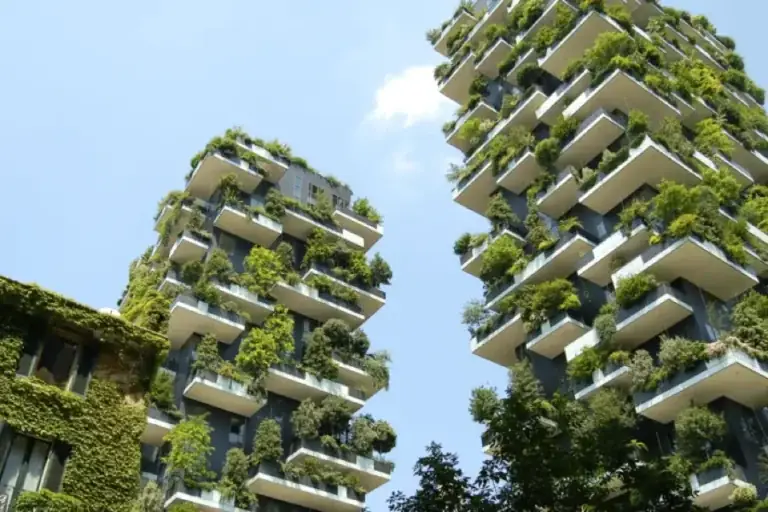
The spatial evolution of contemporary architecture across the United States has steadily elevated the role of vertical vegetation in both residential and commercial domains. As traditional ground-level footprints shrink under dense zoning codes, property owners look upward. Consequently, they focus on building facades, perimeter fences, and empty interior partition walls. This architectural shift moves vegetation away from horizontal plots. Therefore, it places plants directly onto vertical planes. Because of this, the market has seen an explosion of engineering solutions. These solutions are designed to sustain plant life against gravity, wind shear, and artificial microclimates.
Implementing these growing configurations is rarely simple. Modern vertical systems must balance structural load physics, automated hydraulics, and light capture optimization. Furthermore, they need to maintain long-term root health within rigid building envelopes. Whether deployed on a sleek concrete balcony in Chicago, a sun-baked Arizona wall, or a Manhattan corporate tower, success depends on specific factors. Specifically, the hardware mechanics must match environmental realities.
Examining this landscape requires looking past surface-level marketing claims. Instead, we must examine actual engineering, biological performance, and long-term economic commitments. This guide breaks down core mechanics, structural typologies, financial realities, and failure modes. Ultimately, these factors govern the deployment of living systems across diverse American regions.
Understanding “top vertical gardening systems in america”
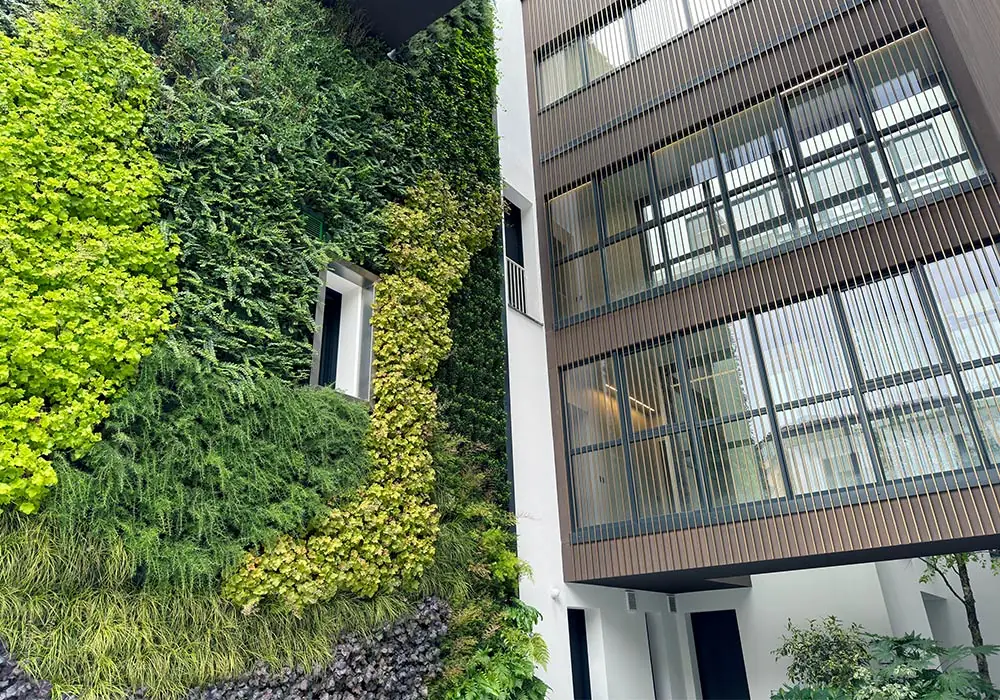
The phrase “top vertical gardening systems in america” surfaces constantly across architectural briefs and trade journals. Despite its widespread use, the phrase often suffers from severe conceptual blurring. In casual retail conversations, people frequently apply the label to cheap plastic stackable pots. Alternatively, they use it for felt wall pockets meant for kitchen herbs. Conversely, in commercial architecture, the exact same terminology describes multi-story living walls. These advanced installations feature automated nutrient injection lines, integrated fire-safety sensors, and complex structural anchoring frameworks tied directly into a building’s steel skeleton.
This linguistic overlap creates dangerous oversimplification risks for property developers and homeowners alike. Assuming that a residential DIY tower can scale up to perform as a building-façade biofilter leads to rapid structural failure. Furthermore, it can cause catastrophic water damage. True performance excellence in this sector requires careful distinction. Specifically, we must separate consumer-grade decorative staging from heavy-duty, engineered bio-infrastructure. Furthermore, regional climatic diversity across the United States creates unique challenges. For instance, a system optimized for high humidity in the Pacific Northwest will fail in the arid Southwest. Specifically, it will experience thermal shock and mechanical failure when installed in regions with high evaporation rates.
Deep Contextual Background and Systemic Evolution
The trajectory of vertical growing technology in the United States reflects a convergence of multiple factors. These factors include urban density pressures, material science advancements, and modern sustainability mandates. Early domestic vertical gardening was largely restricted to traditional climbing vines. People trellised these vines against brick masonry or rustic wooden structures. While aesthetically pleasing, these traditional methods offered little control over plant health. Moreover, they failed to manage root distribution or structural preservation. Unchecked vine growth frequently trapped moisture against exterior walls. Consequently, it degraded siding materials and accelerated wood rot or mortar erosion.
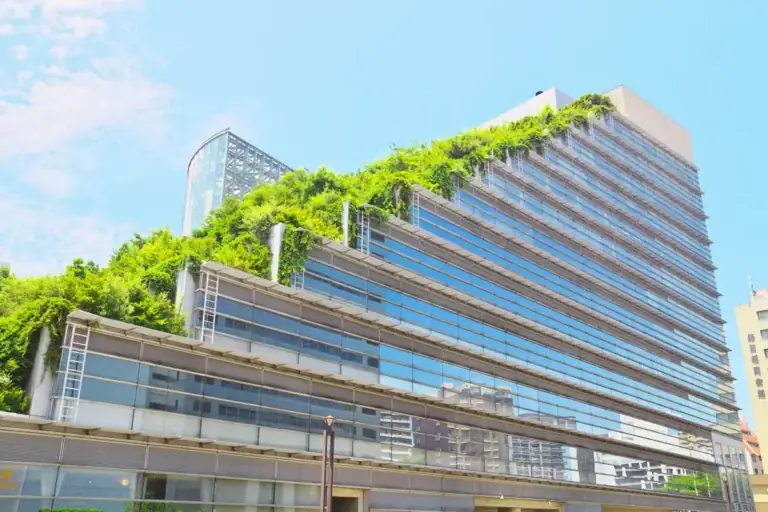
As urban centers expanded rapidly through the late twentieth century, structural engineering demands shifted. Architects began seeking active building envelopes. These envelopes could perform thermal regulation, mitigate urban heat island effects, and secure energy efficiency points. This commercial pressure spurred the development of modular tray systems and geotextile felt pockets. Concurrently, consumer demand for hyperlocal food production drove manufacturers to design compact, automated vertical hydroponic towers. Today, the industry spans two distinct markets. First, it includes mass-market consumer towers optimized for easy food production. Second, it features commercial-grade architectural living walls designed for structural integration.
Conceptual Frameworks and Mental Models
Analyzing vertical cultivation hardware requires specialized mental models. These models account for gravity, fluid mechanics, and plant physiology.
-
The Gravity-Drainage Cascade Model: This model visualizes water distribution from top to bottom. Furthermore, it calculates how moisture cascades through stacked tiers, ensuring lower plants receive adequate hydration without drowning.
-
Root-Zone Aeration Equilibrium: This framework balances water retention with oxygen availability in confined vertical rooting volumes. Consequently, it prevents anaerobic rot in dense media beds.
-
Structural Load Vectoring: This model maps permanent material weights against dynamic environmental forces. Specifically, it tracks wet soil and reservoir weight against high-altitude wind shear.
-
Thermodynamic Wall Insulation Envelope: This conceptual lens evaluates thermal performance. Specifically, it shows how living wall installations buffer building surfaces from solar radiation and lower interior cooling loads.
Key Categories or Variations
Vertical growing frameworks deployed across the United States fall into several distinct typologies. Each typology is defined by specific structural requirements, irrigation methods, and maintenance demands.
-
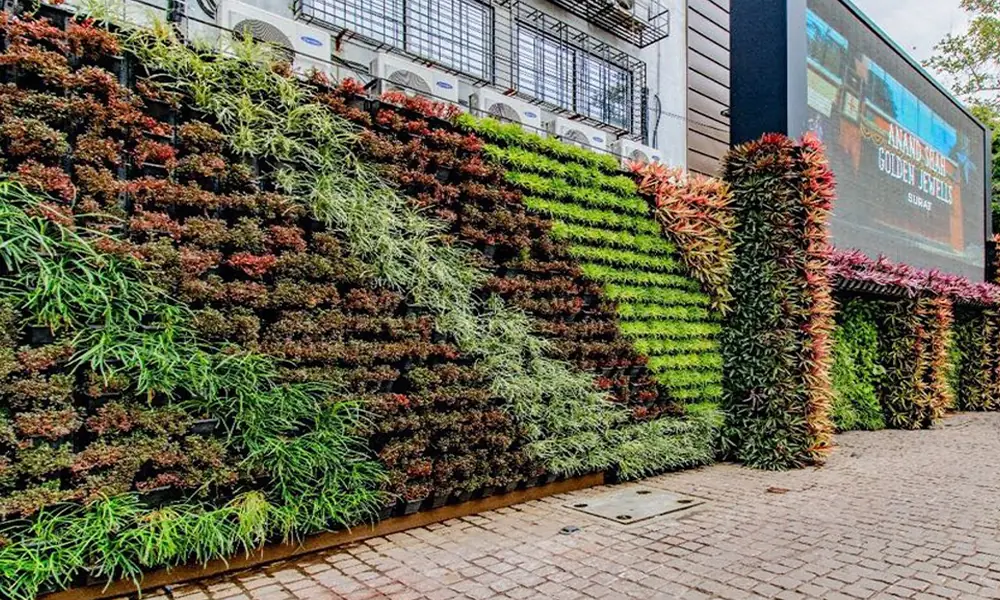
Modular Tray and Cassette Systems: These rigid plastic or metal trays are packed with engineered soil media. Furthermore, they mount to structural rails anchored into building walls.
-
Geotextile Felt Pocket Systems: These multi-layered synthetic fabric sheets feature sewn pockets that hold lightweight growing media. Thus, they offer high flexibility for curved architectural surfaces.
-
Freestanding Hydroponic/Aeroponic Towers: These are vertical rotating or stationary columns where plant roots hang internally. Timed pumps mist or flood them at regular intervals with nutrient solutions.
-
Stackable Planter Ring Units: These molded plastic rings stack vertically around a central stability pole. They are designed primarily for residential patios and urban backyards.
-
Aquaponic Towers: These closed-loop systems combine vertical plant towers with fish-rearing tanks. Organic waste circulation is used to fertilize crops naturally.
-
Trellised Living Facades: These cable and mesh net systems anchor to exterior walls. They are designed to support heavy woody vines for shading and architectural greening.
| Category | Primary Growing Medium | Irrigation Complexity | Typical Application | Maintenance Intensity |
| Modular Trays | Soil-less mix / Peat | Moderate to High | Commercial facades, corporate lobbies | Moderate |
| Felt Pockets | Synthetic felt / Coir | High (dripper line risks) | Interior accent walls, small patios | High |
| Hydroponic Towers | None (Bare roots in air/water) | Low (Automated pump timers) | Residential food production, balconies | Low to Moderate |
| Stackable Rings | Potting soil mixes | Low (Manual top-watering or drip) | Residential backyards, small decks | Low |
| Aquaponic Towers | Expanded clay / Gravel | Moderate | Educational facilities, specialized hobbyists | High |
| Trellised Facades | Ground soil beds | None to Low | Building perimeters, parking structures | Low |
Realistic Decision Logic
Choosing the correct system begins with an honest audit. Specifically, you must evaluate structural weight capacity, water source proximity, and lighting availability. If a project involves an interior drywall partition with zero natural sunlight, requirements change. In this case, a modular tray system equipped with specialized LED grow lights and a closed-loop pump is mandatory. Conversely, an exterior backyard patio with direct sunlight and hose access requires a different approach. Such spaces are better served by stackable ring planters or an automated hydroponic tower. Thus, they bypass the high installation costs of architectural tray mounting.
Detailed Real-World Scenarios and Case Studies
A : High-Rise Residential Balcony in Chicago
-
Context: A luxury condominium owner in downtown Chicago seeks to grow fresh vegetables on a high-wind balcony.
-
Constraints: Severe winter freeze-thaw cycles, high wind-shear gusts, and strict homeowner association weight limits.
-
Decision Points: The owner selects a lightweight, food-grade hydroponic tower. Furthermore, they ensure it can be easily drained and winterized indoors, avoiding heavy soil-based trays.
-
Failure Modes & Secondary Effects: Leaving the water reservoir full during a sub-zero freeze event splits the plastic base housing. Consequently, it causes localized balcony flooding upon spring thaw.
B : Corporate Lobby Living Wall in Atlanta
-
Context: A commercial real estate firm installs a massive multi-story living wall in an Atlanta glass atrium.
-
Constraints: Zero structural wall penetration allowed on core concrete pillars; mandatory compliance with plumbing and fire safety codes.
-
Decision Points: Engineers specify a freestanding steel superstructure supporting a modular felt-pocket irrigation matrix with automated telemetry alarms.
-
Failure Modes & Secondary Effects: A clogged drainage trough at the base overflows silently behind decorative baseboards. Therefore, it causes hidden mold growth and drywall degradation over six months.
C : Arid Residential Courtyard in Phoenix
-
Context: A residential homeowner in Phoenix wants a vibrant green wall along a sun-exposed courtyard.
-
Constraints: Extreme UV radiation, high ambient temperatures causing rapid evaporation, and hard municipal water prone to scaling.
-
Decision Points: The project utilizes a closed-loop drip irrigation system. Moreover, it is equipped with an inline reverse osmosis filter and automated pump cycles.
-
Failure Modes & Secondary Effects: Solar degradation breaks down low-quality exterior polyethylene drip lines. Consequently, it creates dry spots that kill entire plant columns within days.
D : Urban Restaurant Herb Wall in Seattle
-
Context: An upscale restaurant in Seattle integrates a compact indoor vertical herb garden behind the service bar.
-
Constraints: Limited floor footprint, strict food-safety sanitation regulations, and the need for silent operation during dining hours.
-
Decision Points: Management implements a quiet magnetic-drive water pump running a vertical nutrient film technique channel system with removable plant cups.
-
Failure Modes & Secondary Effects: Neglecting routine nutrient reservoir flushes leads to severe algae buildup in supply tubing. As a result, it chokes pump intakes and halts water delivery.
Planning, Cost, and Resource Dynamics
Financial planning for vertical gardening operations requires careful evaluation. Specifically, you must assess both upfront capital outlays and long-term operational inputs.
-
Direct Capital Expenditures: Hardware frames, pots, felt pockets, pumps, timers, LED grow light fixtures, and initial plant plugs represent primary baseline costs.
-
Indirect and Engineering Expenses: Structural load engineering assessments, professional wall mounting labor, specialized plumbing hookups, and electrical line installations.
-
Long-Term Operational Commitments: Ongoing consumption of electricity for pumps and lights, periodic replacement of nutrient solutions, water utility costs, and horticultural plant replacements.
| Project Scope | Estimated Capital Cost | Primary Ongoing Resource Inputs |
| Consumer Home Tower | $300 – $600 | Electricity, liquid nutrients, seed pods, seasonal water |
| Residential Wall Mount Kit | $150 – $500 | Potting mix, hand-watering labor, seasonal replacements |
| Commercial Interior Wall | $5,000 – $25,000+ | Professional maintenance contracts, water, lighting power |
| Large Façade Bio-Wall | $30,000 – $100,000+ | Full BMS integration, structural checks, specialized horticulture |
Tools, Strategies, and Support Systems
Deploying resilient vertical growing networks requires specialized equipment and diagnostic support infrastructure to maintain biological equilibrium.
-
Inline EC and pH Monitoring Probes: Digital sensors placed in nutrient reservoirs track electrical conductivity and acidity levels continuously.
-
Automated Solenoid Valve Timers: Programmable irrigation controllers manage precise watering durations down to the minute.
-
Full-Spectrum Horticultural LED Bars: Energy-efficient lighting arrays feature specific PAR outputs to sustain indoor plant growth.
-
Electronic Leak Detection Grids: Low-voltage moisture sensor mats install beneath commercial indoor living walls to trigger early alerts.
-
Root-Barrier Geotextile Membranes: High-density polyethylene sheets place between mounting frames and building walls to prevent moisture migration.
-
Nutrient Dosing Pumps: Peristaltic pumps inject exact micro-doses of liquid fertilizer into irrigation lines automatically.
Risk Landscape and Failure Modes
Operating biological systems against vertical planes introduces compounding risk factors. Minor technical oversights can cascade into major property damage or complete crop loss.
-
Pump Failure and Desiccation: A sudden electrical pump burnout combined with a lack of manual backup watering leads to total plant desiccation within 48 hours.
-
Uneven Hydraulic Distribution: Sediment buildup in upper drip emitters starves lower plant tiers of water while drowning upper levels.
-
Salt Accumulation and Root Burn: Inadequate reservoir water flushes cause mineral fertilizer salts to concentrate in the root zone, scorching plant roots.
-
Structural Corrosion and Fastener Failure: Using non-rated steel screws in outdoor environments causes galvanic corrosion when exposed to moisture, resulting in wall damage.
-
Pest Infestation Amplification: Indoor living walls lacking natural predators can experience rapid aphid or spider mite outbreaks that spread vertically.
Governance, Maintenance, and Long-Term Adaptation
Maintenance Lifecycle Framework
-
Weekly Hydraulic and Sensor Checks: Clean pump intake filters, verify nutrient reservoir pH levels, and inspect drip emitter flow rates.
-
Monthly Foliage and Pest Audits: Prune dead leaves, inspect for early signs of insect infestations, and check plant anchoring security.
-
Quarterly System Flushing: Drain and scrub nutrient reservoirs completely, running a mild organic cleaning solution through irrigation lines.
-
Annual Structural and Electrical Review: Test ground fault circuit interrupter outlets, inspect mounting brackets for rust, and evaluate structural load stability.
Adjustment Triggers
Operational protocols must dictate immediate responses when anomalies occur. If electronic monitoring sensors record a sudden drop in reservoir water volume without a corresponding increase in plant uptake, an immediate physical inspection is mandatory. Similarly, if upper-tier plants show wilting while lower tiers remain saturated, the irrigation pressure regulator requires immediate servicing.
Measurement, Tracking, and Evaluation
-
Leading Indicators: Nutrient solution electrical conductivity stability, automated pump cycle execution logs, and daily water consumption metrics.
-
Lagging Indicators: Plant survival percentages past 12 months, building energy cooling cost reductions, and overall system aesthetic health ratings.
-
Documentation Examples:
-
Reservoir Maintenance Logs: Recording weekly pH, EC, and water top-off volumes to maintain optimal growing chemistry.
-
Structural Inspection Register: Documenting annual torque checks on wall-anchor bolts and moisture meter readings on surrounding framing.
-
Crop Yield and Replacement Trackers: Logging harvest weights for food-producing towers or tracking plant replacement frequencies.
-
Common Misconceptions and Oversimplification Risks
-
Myth 1: Vertical gardens require less water because excess water is recycled. Correction: While closed-loop systems use less water, open-drain wall systems often experience high evaporation losses. Therefore, they require careful calibration.
-
Myth 2: Any indoor wall can support a living green installation without structural evaluation. Correction: Wet soil, water reservoirs, and mature plant mass add immense dead weight that standard drywall cannot bear.
-
Myth 3: Outdoor vertical systems can run unmonitored through freezing conditions. Correction: Unheated outdoor irrigation lines and water reservoirs freeze rapidly, causing catastrophic hardware destruction.
-
Myth 4: Automatic drip systems eliminate the need for human observation. Correction: Timers fail, emitters clog, and plants experience localized diseases that automation cannot diagnose.
-
Myth 5: All plants perform equally well in vertical configurations. Correction: Upright gravity dynamics mean trailing plants thrive near the top while heavy-rooted species require specific placement.
-
Myth 6: Artificial lighting is optional for indoor vertical gardens placed near windows. Correction: Standard architectural windows filter out critical light spectrums, and natural light penetration diminishes rapidly.
Ethical, Practical, and Contextual Considerations
The proliferation of high-end vertical gardening systems across American urban landscapes touches upon broader questions. Specifically, it involves resource allocation, architectural sustainability, and socioeconomic equity. While commercial living walls and luxury home hydroponic towers elevate indoor air quality, their high initial capital costs mean they remain concentrated in affluent developments. Municipal planning policies should encourage green infrastructure. Moreover, they should treat it as functional urban cooling and stormwater management assets integrated into public housing. Furthermore, life-cycle assessments must account for the embodied carbon footprint of plastics and aluminum framing used in manufacturing.
Conclusion
Vertical cultivation hardware represents an intricate intersection of structural engineering, fluid mechanics, and plant biology. Implementing these installations successfully across American environments demands rigorous respect for load physics, water management, and ongoing maintenance governance. True operational mastery does not stem from marketing promises. Instead, it is achieved through careful planning, precise component selection, and disciplined asset management. As urban spaces densify, the standard for resilient architectural greening will rely heavily on the disciplined execution of these vertical systems.