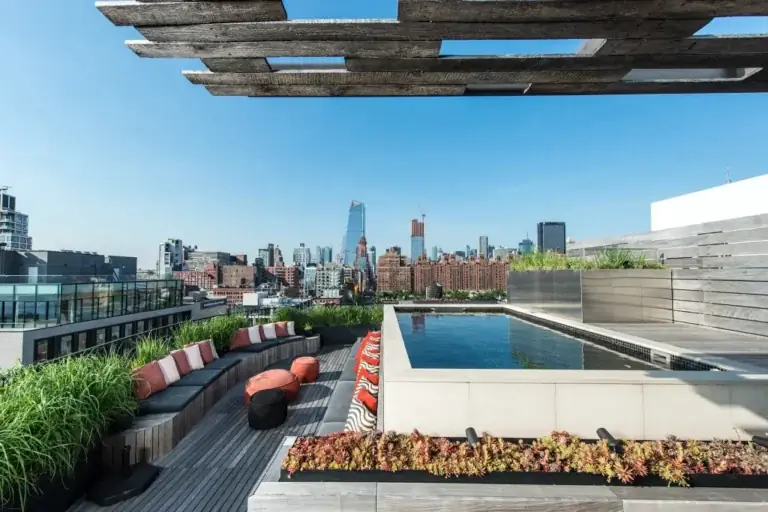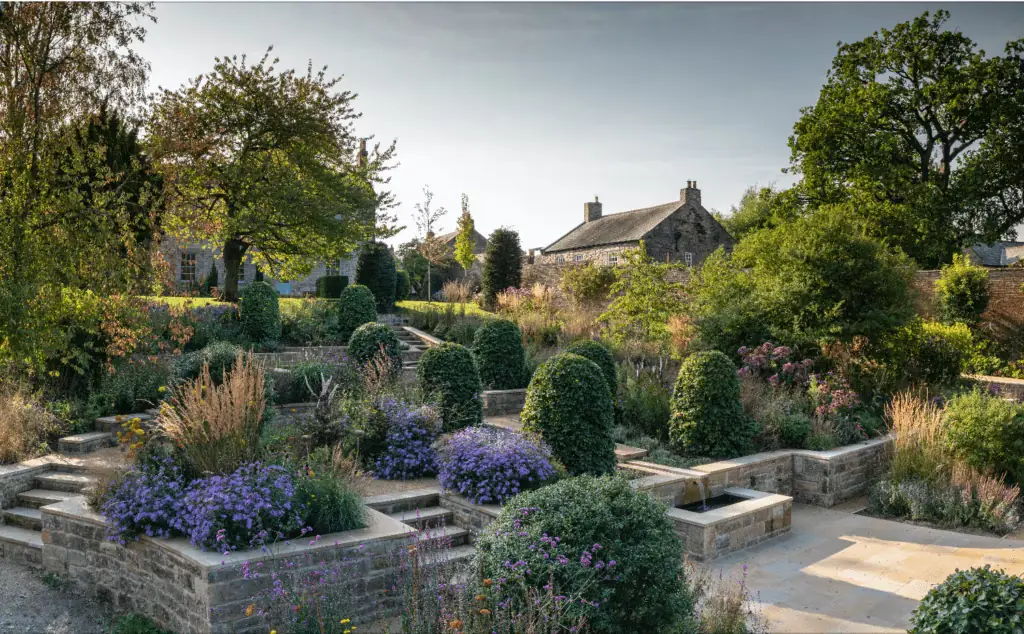
Best Garden Designers United States: Landscape Architecture
Professional landscape architecture and residential site planning across North America operate at the intersection of ecological science, spatial geometry, and fine-art horticulture. As suburban sprawl gives way to refined infill development and environmental consciousness reshapes private property, the demand for sophisticated site design has grown exponentially. Creating a resilient, aesthetically compelling outdoor living space involves far more than ornamental plant placement or token turf installation. It represents a complex ecological and architectural discipline that defines modern landscape craftsmanship.
Evaluating the upper echelon of residential landscape practice requires moving past glossy portfolio photography and superficial style trends. A rigorous analysis demands close scrutiny of regional soil mechanics, microclimatic water stewardship, native ecosystem integration, and long-term horticultural succession. Exceptional design must balance structural hardscaping limits, regional hydrological restrictions, and dynamic biological growth over decades. Furthermore, successful execution requires navigating municipal zoning variations, environmental setbacks, and complex construction logistics.
This article explores the core design methodologies, regional variations, economic variables, and long-term operational frameworks that characterize top-tier landscape execution. By focusing on site integration, material science, and botanical performance, this guide offers an analytical reference for property owners, developers, and design professionals seeking to understand elite outdoor creation.
Understanding “best garden designers united states”
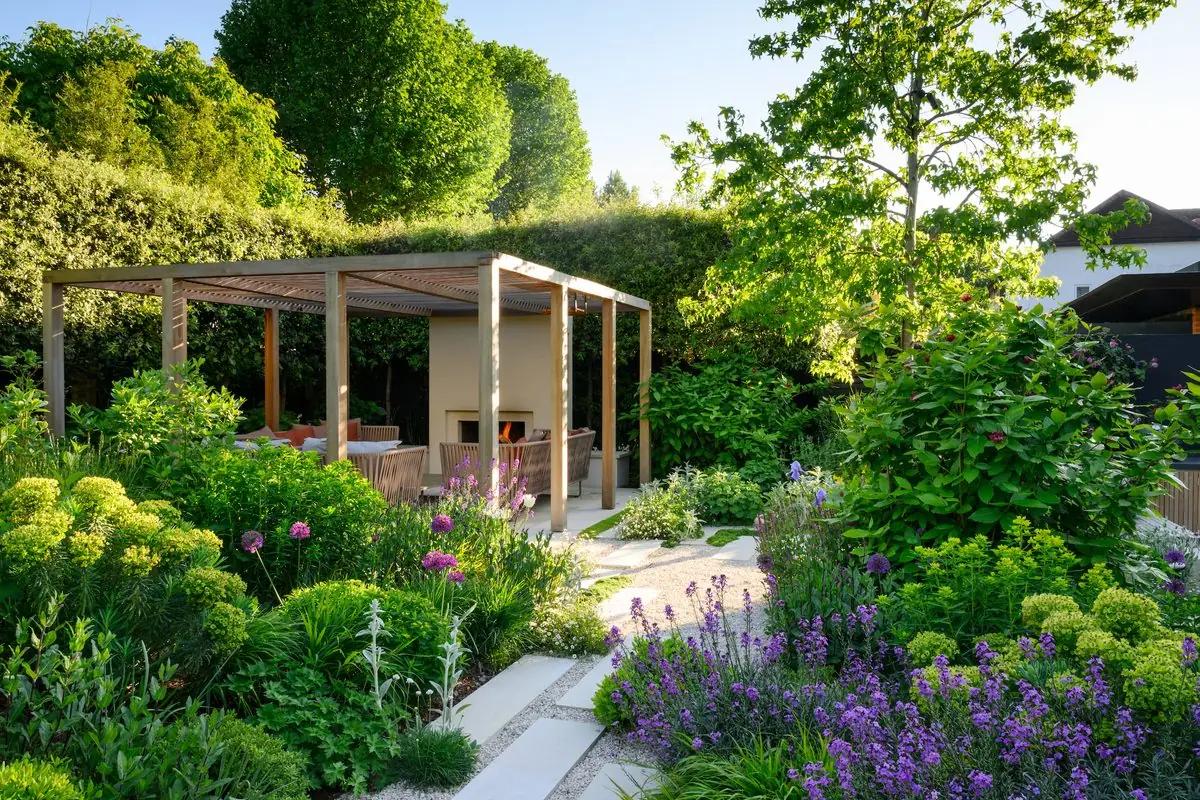
The phrase “best garden designers united states” frequently appears in shelter magazines, design awards registries, and high-end real estate portfolios. However, the terminology often suffers from significant conceptual ambiguity. In casual discourse, people apply the label broadly to anyone offering residential landscaping or lawn maintenance services. Consequently, this generalized usage obscures critical differences in professional licensing, botanical expertise, and structural engineering capabilities.
A primary source of oversimplification is the assumption that elite garden designers operate as universal stylists who can replicate any aesthetic in any region. In reality, a landscape is entirely bound by its local climate, soil chemistry, and watershed. A planting palette optimized for the humid subtropics of the Southeast fails utterly in the arid Southwest or the freeze-thaw zones of New England. Therefore, evaluating the best garden designers united states requires separating general cosmetic decorators from master practitioners who integrate rigorous site science with regional ecological understanding.
Furthermore, popular assessments often ignore the operational differences between boutique residential studios and large-scale landscape architecture firms. True excellence in this field is deeply context-dependent, measured by how effectively a designer reconciles architectural ambition with environmental constraints and long-term maintenance realities.
Deep Contextual Background
Early Precedents and the Picturesque Tradition
The lineage of professional garden design in the United States draws from early European landscape traditions, shifting from formal geometric layouts toward the picturesque movement of the nineteenth century. Early American practitioners introduced naturalistic park designs and estate gardens that prioritized organic lines, native woodlands, and sweeping pastoral vistas. These foundational efforts established land planning as a distinct artistic and environmental discipline.
The Modernist Shift and Ecological Awakening
As twentieth-century modernist architecture gained prominence, designers stripped away ornate Victorian flourishes in favor of clean geometric lines, integration of indoor-outdoor living, and structural hardscaping. Later decades brought an environmental awakening, moving landscape practice away from resource-intensive monocultures toward native habitat restoration, water-wise xeriscaping, and sustainable stormwater management. Today, premier designers combine historic horticultural knowledge with advanced ecological engineering, transforming private properties into resilient biological corridors.
Conceptual Frameworks and Mental Models
Analyzing elite landscape design requires specialized mental models to account for biological succession, spatial dynamics, and environmental physics.
-
The Horticultural Succession Horizon: This model evaluates how a planting plan matures over five, ten, and twenty-five years, ensuring that specimen trees and understory layers do not crowd out foundational designs.
-
The Watershed-to-Property Hydrology Matrix: This framework traces how every drop of precipitation interacts with a site, prioritizing on-site infiltration and runoff mitigation over traditional storm drains.
-
The Microclimate Envelope Model: Elevated, shaded, wind-swept, or reflective urban environments create distinct thermal zones that dictate plant survival regardless of regional hardiness maps.
-
The Hardscape-to-Softscape Equilibrium: This mental model balances permanent structural elements against living biological systems, maintaining visual harmony and ecological function.
Key Categories or Variations
High-end garden design across the United States spans several distinct typologies, each defined by regional ecology, spatial constraints, and functional intent.
-
Native Ecological Restoration Gardens: Landscapes dominated by indigenous flora designed to support local pollinators, birds, and soil microbes with minimal supplemental inputs.
-
Formal Classical Estate Grounds: Symmetrical layouts featuring structured boxwood parterres, axis-driven sightlines, and classical stone masonry.
-
Contemporary Minimalist Courtyards: Architectural spaces utilizing board-formed concrete, restrained evergreen masses, and precise spatial geometry.
-
Arid Xeriscaping and Desert Sanctuaries: Water-conserving designs incorporating architectural succulents, decomposed granite, and thermal mass stone.
-
Coastal Maritime Landscapes: Salt-tolerant, wind-resistant plantings paired with elevated decking and dune stabilization engineering.
-
Productive Homestead and Agrarian Gardens: High-yield kitchen gardens, orchards, and apiaries integrated seamlessly into luxury residential settings.
| Design Typology | Primary Aesthetic Focus | Dominant Plant Palette | Hardscape Intensity | Maintenance Demand |
| Native Ecological | Naturalistic, seasonal succession | Native perennials, grasses, trees | Low to Moderate | Low (post-establishment) |
| Formal Classical | Symmetry, heritage, architecture | Boxwood, clipped hedges, specimen trees | Very High | High |
| Minimalist Contemporary | Clean lines, texture, shadow | Grasses, single-species blocks, specimen forms | High | Moderate |
| Arid Xeriscape | Architectural form, stone texture | Agaves, yuccas, drought-tolerant shrubs | Moderate | Low |
| Coastal Maritime | Resilience, movement, sea views | Salt-tolerant grasses, pines, shrubs | Moderate to High | Moderate |
| Productive Agrarian | Harvest, utility, structure | Vegetables, fruit trees, berry canes | Moderate | High |
Realistic Decision Logic
Selecting an appropriate design typology begins with comprehensive site analysis, including soil testing, solar mapping, and local water availability audits. If a property is located in an arid western municipality with strict water restrictions, economic and regulatory realities push the design toward arid xeriscaping or native desert restoration. Conversely, historic preservation guidelines in eastern urban districts often favor classical or woodland-native frameworks that align with local architectural heritage.
Detailed Real-World Scenarios
A : The New England Historic Estate Restoration
-
Context: A sprawling 19th-century property in Massachusetts requires a complete garden renovation while respecting historic preservation covenants.
-
Constraints: Strict local historic district guidelines, mature root zones of heritage oaks, and heavy clay soil prone to spring saturation.
-
Decision Points: Designers specify hand-laid stone pathways that avoid major tree roots and implement a French drain system beneath traditional perennial borders.
-
Failure Modes & Second-Order Effects: Heavy excavation for formal masonry walls risks severing anchor roots of heritage trees, requiring air-spading techniques and root-zone protection protocols that increase initial project duration.
B : The Pacific Northwest Sloped Modern Infill
-
Context: A newly constructed contemporary home sits on a steep, unstable hillside overlooking Puget Sound.
-
Constraints: High seasonal rainfall, severe erosion risks, and strict municipal stormwater retention mandates.
-
Decision Points: The design team integrates terraced basalt retaining walls with deep-rooting native shrubs and bioswales to capture and infiltrate hillside runoff.
-
Failure Modes & Second-Order Effects: Unanticipated subsurface spring activation during autumn rains causes localized slippage behind a lower retaining wall, necessitating core-drilled tiebacks and professional geotechnical intervention.
C : The Southern California Arid Canyon Retreat
-
Context: A modern residence adjacent to a dry canyon in Los Angeles requires a fire-resistant, water-efficient outdoor living space.
-
Constraints: High wildfire hazard severity zones, strict municipal water budgets, and native chaparral protection laws.
-
Decision Points: Installers clear a defensible space perimeter utilizing non-combustible gravel mulch, succulent groupings, and subterranean irrigation systems connected to smart weather telemetry.
-
Failure Modes & Second-Order Effects: Standard drip emitters clog due to mineral-heavy municipal water, requiring an upgrade to pressure-compensating inline filters and routine acid-flushing schedules.
D : The Coastal Florida Waterfront Estate
-
Context: A high-end residential property directly faces Biscayne Bay, exposed to tropical storm surges and high-salinity air.
-
Constraints: Sandy, nutrient-poor soil, brackish water tables, and aggressive marine corrosion on metal fixtures.
-
Decision Points: Designers mandate salt-tolerant coastal species such as sea grapes and coconut palms, paired with marine-grade stainless steel lighting and fasteners.
-
Failure Modes & Second-Order Effects: King tide flooding submerges low-lying turf areas, prompting a grade remediation project to elevate planting beds above projected storm surge levels.
Planning, Cost, and Resource Dynamics
Financial planning for elite residential landscape design requires comprehensive accounting of professional fees, site preparation, material acquisition, and long-term establishment costs.
-
Direct Capital Expenditures: Design retainers, master plan fees, plant material acquisition, specimen trees, stone masonry, irrigation infrastructure, and outdoor lighting systems represent primary upfront costs.
-
Indirect and Engineering Expenses: Soil testing laboratories, geotechnical engineering reviews, topographical surveys, and municipal permit processing comprise substantial budget percentages.
-
Long-Term Operational Commitments: Ongoing budgets must account for seasonal pruning, organic fertilization, pest management, irrigation system blowouts, and plant replacement during the establishment window.
| Project Phase | Estimated Budget Range | Key Cost Drivers |
| Site Analysis & Master Design | $5,000 – $35,000+ | Topographical surveys, soil audits, conceptual renderings |
| Hardscaping & Masonry | $30 – $150+ per sq ft | Natural stone, retaining walls, custom woodwork, patios |
| Planting & Horticulture | $15 – $60 per sq ft | Specimen trees, container-grown shrubs, perennial plugs |
| Irrigation & Drainage | $10,000 – $40,000+ | Smart controllers, drip zoning, French drains, cisterns |
| Lighting & Electrical | $8,000 – $30,000+ | Low-voltage LED fixtures, trenching, transformers |
Tools, Strategies, and Support Systems
Executing high-level landscape architecture requires specialized equipment, diagnostic instruments, and technical software distinct from basic gardening.
-
Geographic Information Systems (GIS) Mapping Software: Used by designers to analyze parcel topography, solar orientation, and regional watershed patterns.
-
Handheld Soil Penetrometers and Testers: Instruments that measure soil compaction, pH levels, and electrical conductivity to determine biological amendments.
-
Computational Fluid Dynamics and Drainage Calculators: Software tools used to model stormwater flow rates and size retention basins or bioswales accurately.
-
Tree Spade Machinery and Crane Rigging: Heavy equipment utilized to safely harvest, transport, and install mature specimen trees with intact root balls.
-
Smart Soil Moisture Telemetry Controllers: Automated irrigation systems that adjust watering cycles based on real-time evapotranspiration data.
-
Low-Voltage LED Photometric Design Tools: Lighting software that simulates night-time illumination levels to ensure subtle, glare-free architectural accents.
Risk Landscape and Failure Modes
Operating a high-end landscape design and installation enterprise introduces severe risk factors where minor oversights trigger biological or structural failure.
-
Improper Plant Selection for Microclimate: Installing shade-loving species in unexpected thermal pockets or failing to account for winter hardiness zones leads to rapid plant mortality.
-
Subsurface Drainage Failures: Inadequate grading or blocked subsurface drains lead to water pooling near structural foundations, causing basement intrusion or retaining wall collapse.
-
Soil Compaction and Root Suffocation: Heavy construction equipment operating over root zones of retained trees destroys soil pore space, killing mature specimens years after project completion.
-
Aggressive Invasive Root Systems: Planting species with invasive root structures near swimming pools, utility lines, or paved surfaces results in expensive infrastructure damage.
-
Establishment Drought Shock: Failing to monitor soil moisture during the critical first two growing seasons causes expensive specimen plantings to perish before root systems establish.
Governance, Maintenance, and Long-Term Adaptation
The Maintenance Lifecycle Framework
-
Weekly Operational Inspections: Check drip emitter functionality, verify smart controller programming, and remove early weed growth.
-
Monthly Horticultural Reviews: Inspect plant foliage for pest pressure, monitor soil moisture tension, and adjust staking on newly planted trees.
-
Bi-Annual Structural Audits: Inspect retaining wall drainage weep holes, check paver joint stability, and test low-voltage lighting transformers.
-
Annual Comprehensive Soil and Mulch Refresh: Apply organic compost top-dressing, replenish protective mulch layers, and perform structural pruning on deciduous trees.
Adjustment Triggers
Operational protocols must establish clear response thresholds. If soil moisture sensors indicate chronic dry pockets despite active irrigation, immediate diagnostic excavation of drip lines is mandatory. Furthermore, if seasonal storm events cause localized soil erosion, installation of check-dams or jute netting must execute prior to subsequent rainfall.
Measurement, Tracking, and Evaluation
-
Leading Indicators: Root establishment success rates, soil organic matter accumulation indices, sensor uptime percentages, and mulch depth consistency.
-
Lagging Indicators: Total annual stormwater retention volume, plant survival percentages past year three, client satisfaction scores, and landscape asset valuation appreciation.
-
Documentation Examples:
-
Horticultural Health Logs: Track species survival rates, pest management applications, and seasonal fertilization schedules.
-
Hydrological Compliance Reports: Record stormwater infiltration rates and drainage basin maintenance logs for municipal review.
-
Master Plan As-Built Drawings: Maintain updated documentation of underground utility, electrical, and irrigation lines for future maintenance.
-
Common Misconceptions and Oversimplifications
-
Myth 1: Exceptional landscape design requires zero maintenance once installed. Correction: All living ecosystems require active, skilled stewardship, pruning, and seasonal adjustments to thrive.
-
Myth 2: Native plants look unmanaged and untidy. Correction: When arranged with intentional framing, layered heights, and clean hardscape edges, native plantings offer sophisticated elegance.
-
Myth 3: Irrigation systems eliminate the need for manual monitoring. Correction: Smart controllers manage schedules, but emitter clogs, line breaks, and microclimate variations still require human oversight.
-
Myth 4: Soil quality does not matter if you add enough fertilizer. Correction: Healthy soil biology and structure are fundamental; chemical fertilizers cannot overcome compacted or lifeless earth.
-
Myth 5: Hiring a designer is an unnecessary expense compared to buying plants retail. Correction: Professional design prevents costly errors in plant selection, grading, and structural engineering, saving money over time.
-
Myth 6: Any local contractor can install complex stone masonry and retaining walls. Correction: High-end masonry requires specialized structural engineering knowledge to withstand freeze-thaw cycles and soil pressures.
Ethical, Practical, and Contextual Considerations
The expansion of luxury residential landscape architecture touches upon broader questions of ecological responsibility and resource stewardship. Pristine lawns and water-intensive exotic plantings in drought-prone regions place severe pressure on municipal aquifers and regional watersheds. Therefore, leading designers must champion ecological literacy, promoting native biodiversity, water conservation, and chemical-free soil management. Furthermore, ethical practice requires respecting native land histories, avoiding invasive horticultural species, and designing outdoor spaces that serve as functional habitats for native fauna alongside human enjoyment.
Conclusion
Professional residential landscape design across the United States represents a sophisticated synthesis of art, horticulture, and earth science. Designing and maintaining elite outdoor environments demands unyielding respect for local climate realities, soil mechanics, and botanical succession. True mastery relies neither on transient stylistic trends nor on generic formulaic planting schemes; it is achieved through rigorous site analysis, ecological sensitivity, and disciplined operational stewardship. As suburban and urban properties continue to evolve, the standard for enduring residential architecture will increasingly rely on the thoughtful integration of resilient, beautifully crafted outdoor spaces.